


Arrive

Pick up where you left off
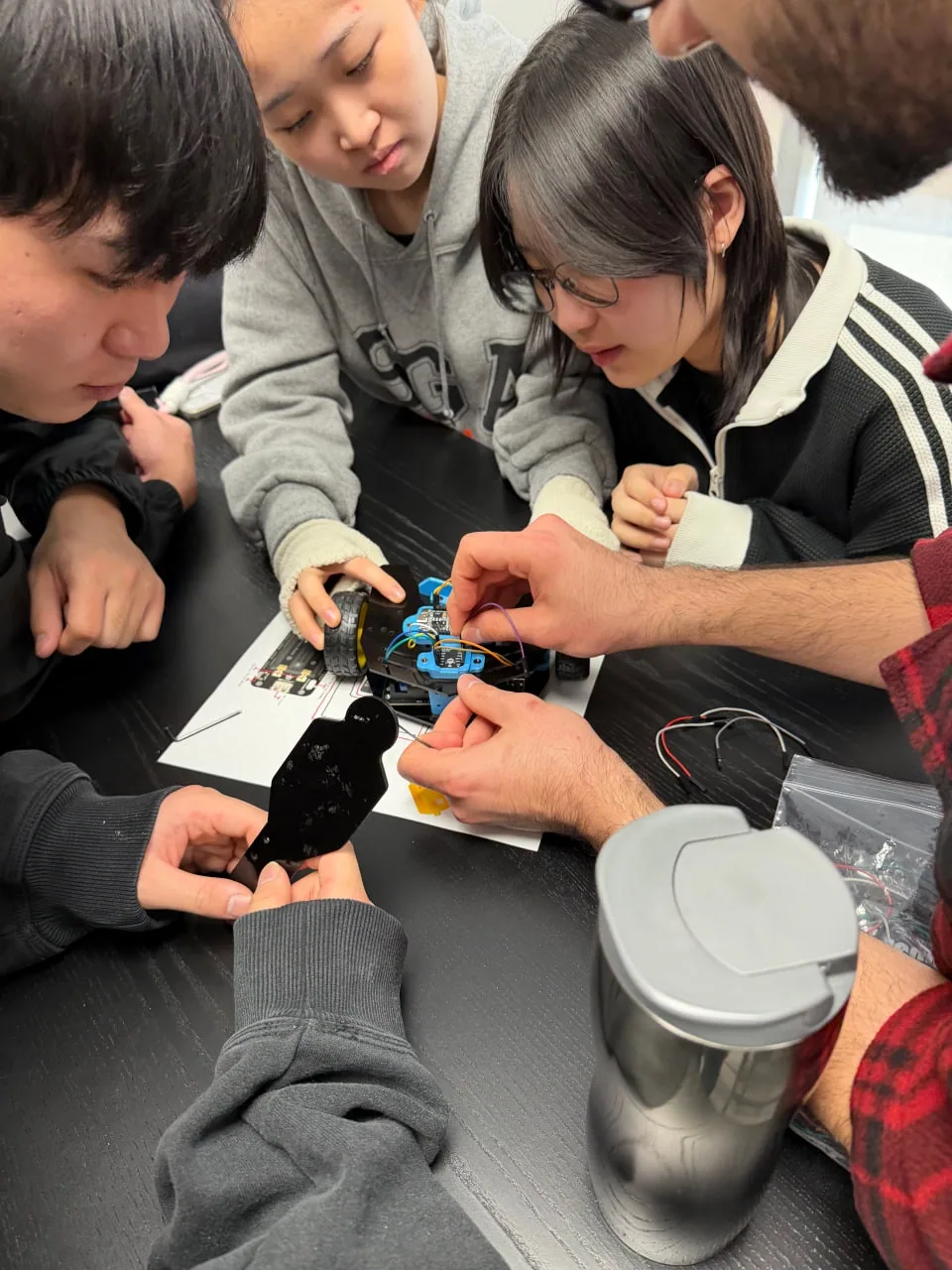
The robot from last week is still on the bench. So is the bug you were chasing.
Nothing gets reset between sessionsRobotics education, curriculum, software, hardware, labs, competitions and expert support, engineered end to end for learners, schools and STEM organizations.
A fifteen-second film with music. A red dot drops, bounces and lands as the full stop of “A spark.” It races across a circuit board, lighting it up: “A circuit.” A small robot builds itself around the dot, wakes up and waves: “A machine.” The camera dives into its eye, where a neural network fires and melts into liquid: “A mind.” “Built by” appears while a reel spins through curious kids, builders, inventors, coders, teammates, dreamers, engineers and leaders, and lands on “you.” Current climbs into the Maple Mind Academy leaf and lights it: “Build what’s next.”
Signature sequence
A shape becomes a wheel. A wheel becomes a drivetrain. A drivetrain becomes a machine a learner can command.
Scroll to build it ↓
A twenty-second film with music, told in words. “It starts with a question.” A question mark is drawn by hand, and its dot, a red diamond, beats like a heart. “What if I built one?” The question curls into a wheel, a pen sketches a little robot around it, and the sketch turns in space and becomes solid. “The first try fails”: it lurches forward and falls on its face. “So does the second”: it spins in circles. “Then someone shows you why”: a blue diamond arrives, the robot opens up, and the blue traces how it all connects and brings the missing piece. “So you try again”, and it closes up, whole. “And then…” The lights go down. “It moves.” The lights come up, it drives, and everything celebrates. “That feeling stays with you”: its track becomes a heartbeat. “You stop asking ‘Can I?’ and start asking ‘What’s next?’”, the words melting from one into the other. The red diamond and the blue one come together as the Maple Mind mark: “Build What’s Next.”
Two minutes of questions produces a real recommendation: the right program, hub, software or full school solution, with a clear next step.
Software, simulation, online cohorts, physical hubs and hardware: different doors into the same system.
Four very different reasons to be on this page. Pick the one that sounds like you.
Not a marketing loop. The same sequence learners repeat every week until the robot does what they intended.
The robot from last week is still on the bench. So is the bug you were chasing.
Nothing gets reset between sessionsA short problem statement (a distance, a time, a sensor rule) before anyone touches a tool.
Constraint first, parts secondFrames, gears, printed parts. The mechanical problem gets solved in metal and plastic, not on a slide.
Frames · gears · printed partsMotor drivers, grounds, signal lines. First smoke test of the session, and the first place a mistake is visible.
Power · signal · groundCode goes in and the robot moves. Reading why it did that, rather than guessing, is the actual lesson.
Read the sensor, not the vibeA peer, a parent, an instructor. If it works in front of someone else, it works.
A program is what the learner sees. The rest of this is what makes it repeatable.
Level-based outcomes rather than activity lists. Every stage has something a learner must be able to design, wire, program or debug before moving on.
Guided builds at every level
Delivery, tracking, simulation and AI support: the operating layer beneath the hardware, and the reason a program can be handed to somebody else and still run.
Kits, controllers, sensors and spares specified for classroom wear. Hardware breaks. That is why spares are part of the program.
Benches, storage, tooling and safety designed around the levels you teach.
STEM providers and academies can run the full stack under their own identity.
Custom brackets, spacers and adapters. Learners own the geometry, not just the kit parts.
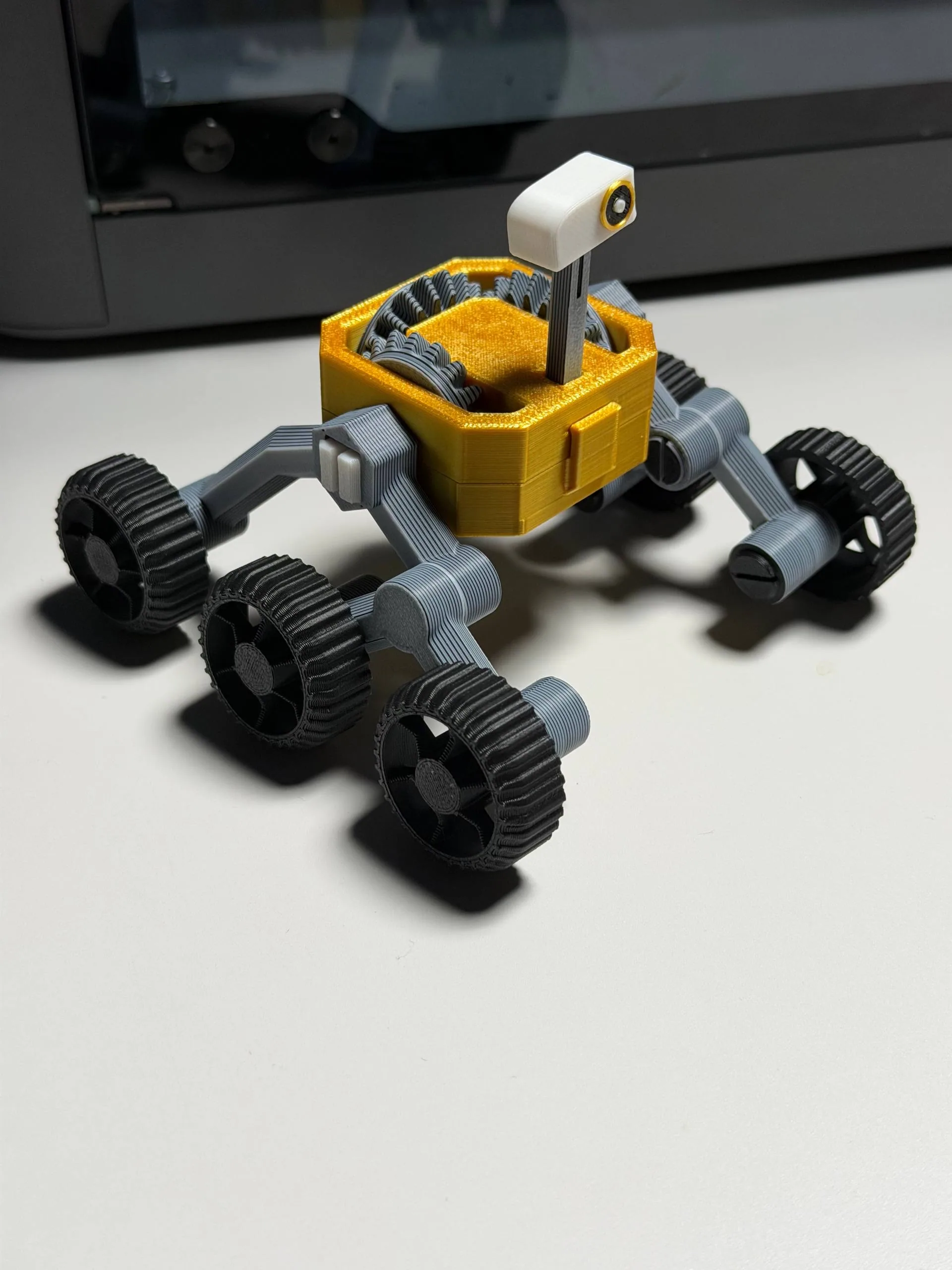
Nothing here is theoretical. Learners run the same loop practising engineers run, and the loop is where the learning actually happens.
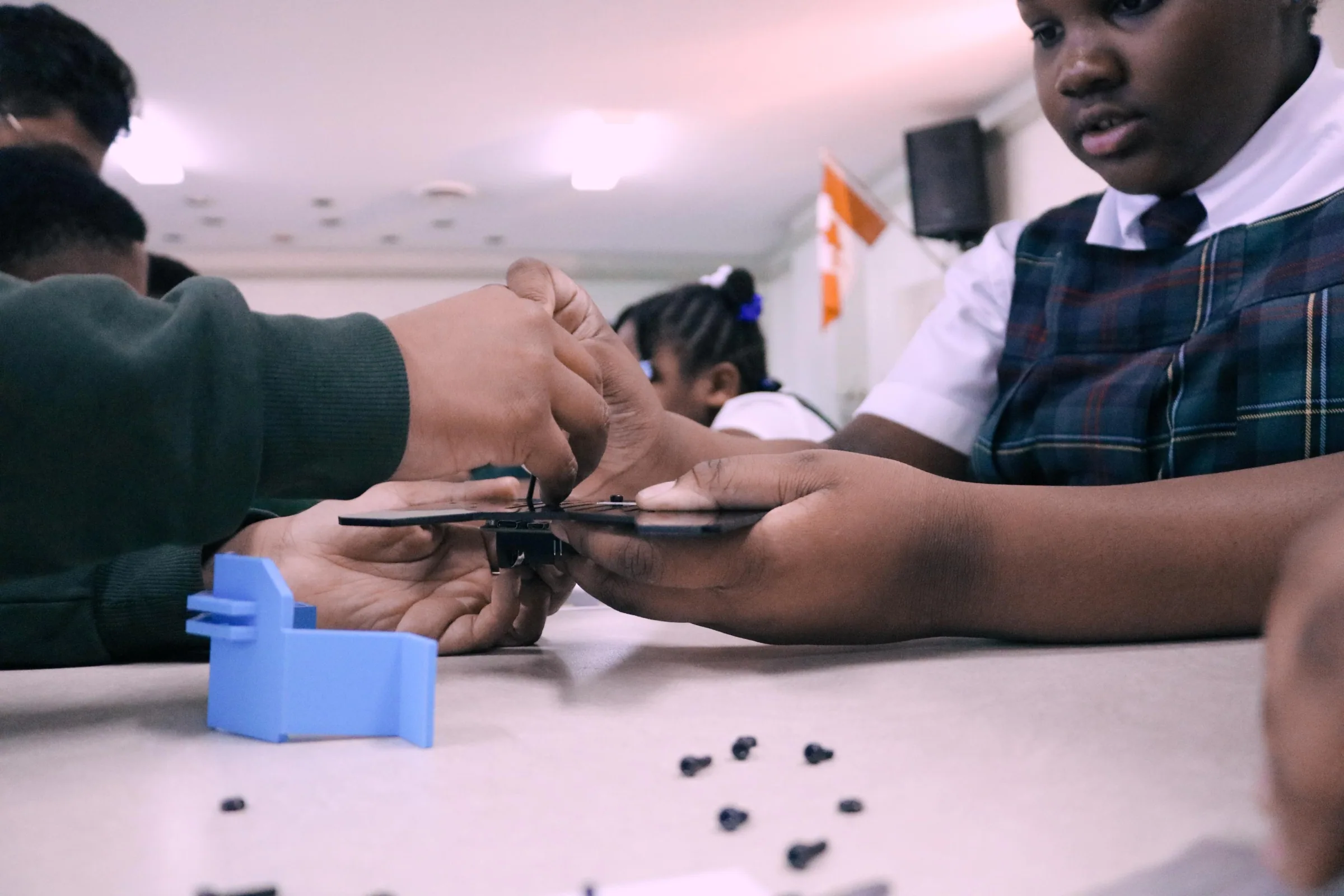
Design
Try it
Drag each part onto the blueprint, or tap it. Then power it on. Move your cursor over the board behind it and you are the battery.
Blueprint · rover v1
0/5
Parts tray
Five stages from first build to competition-ready. Each maps to a program you can start this term.
Seven stages, one continuous engineering identity. The same learner, the same robot, growing together.
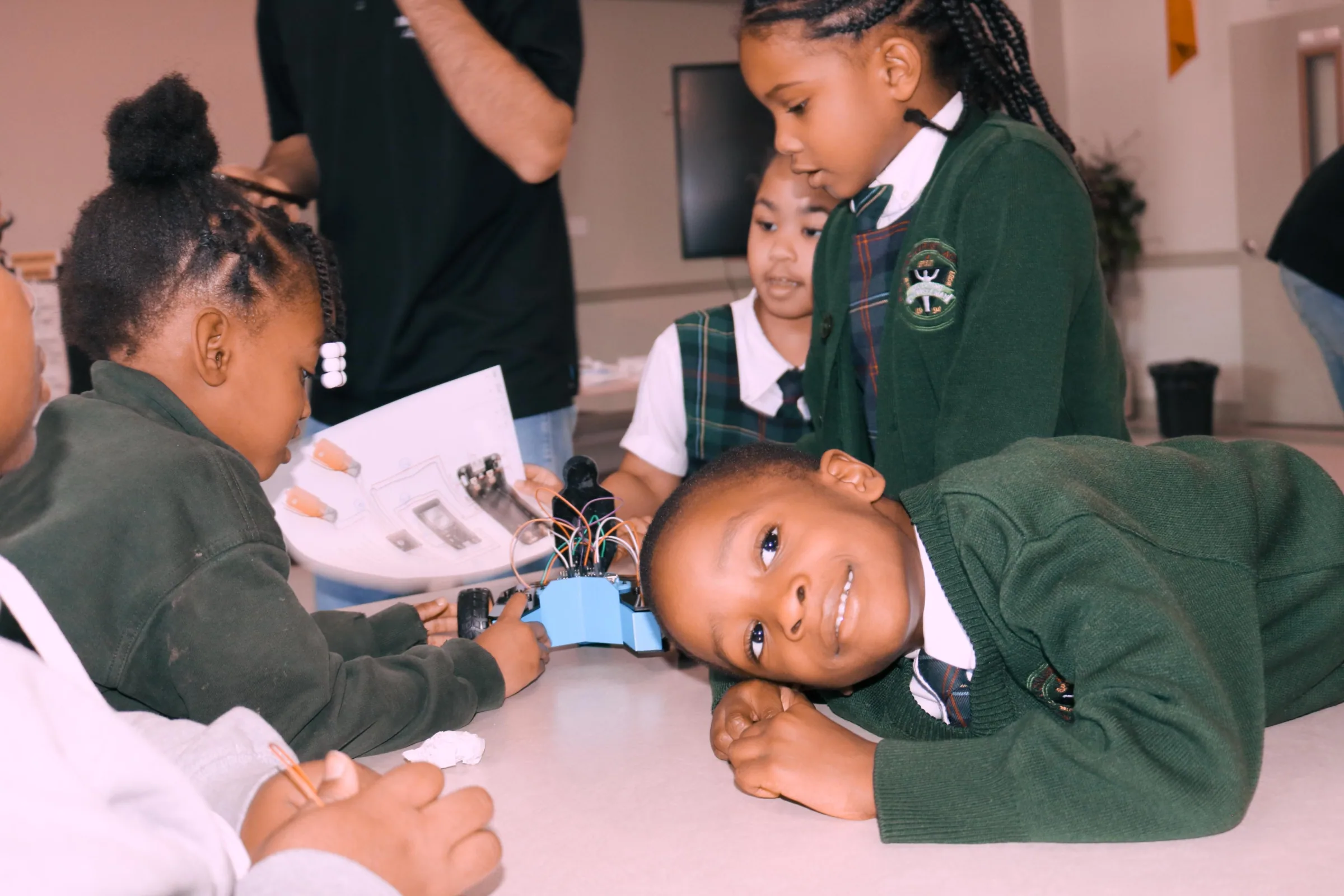
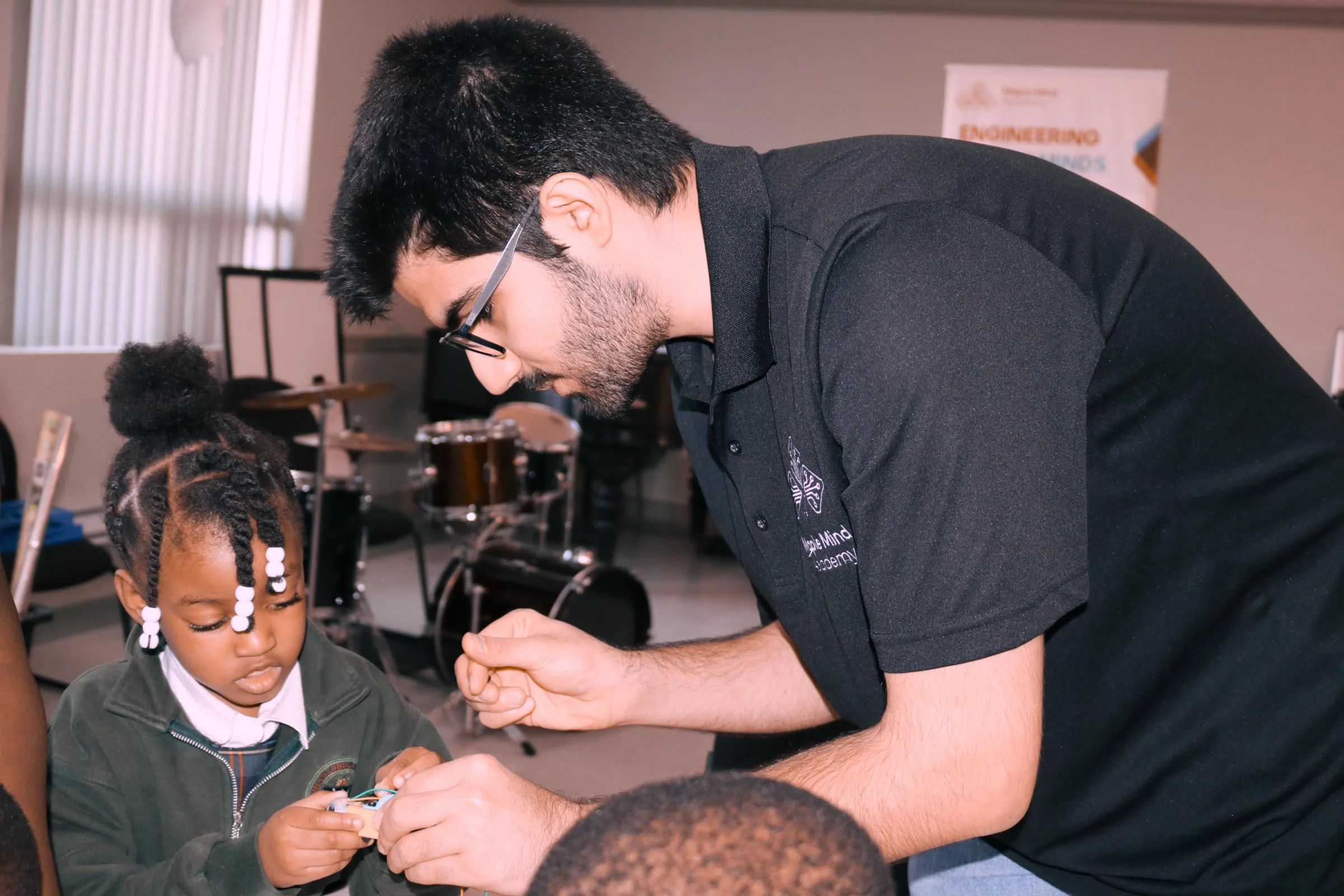
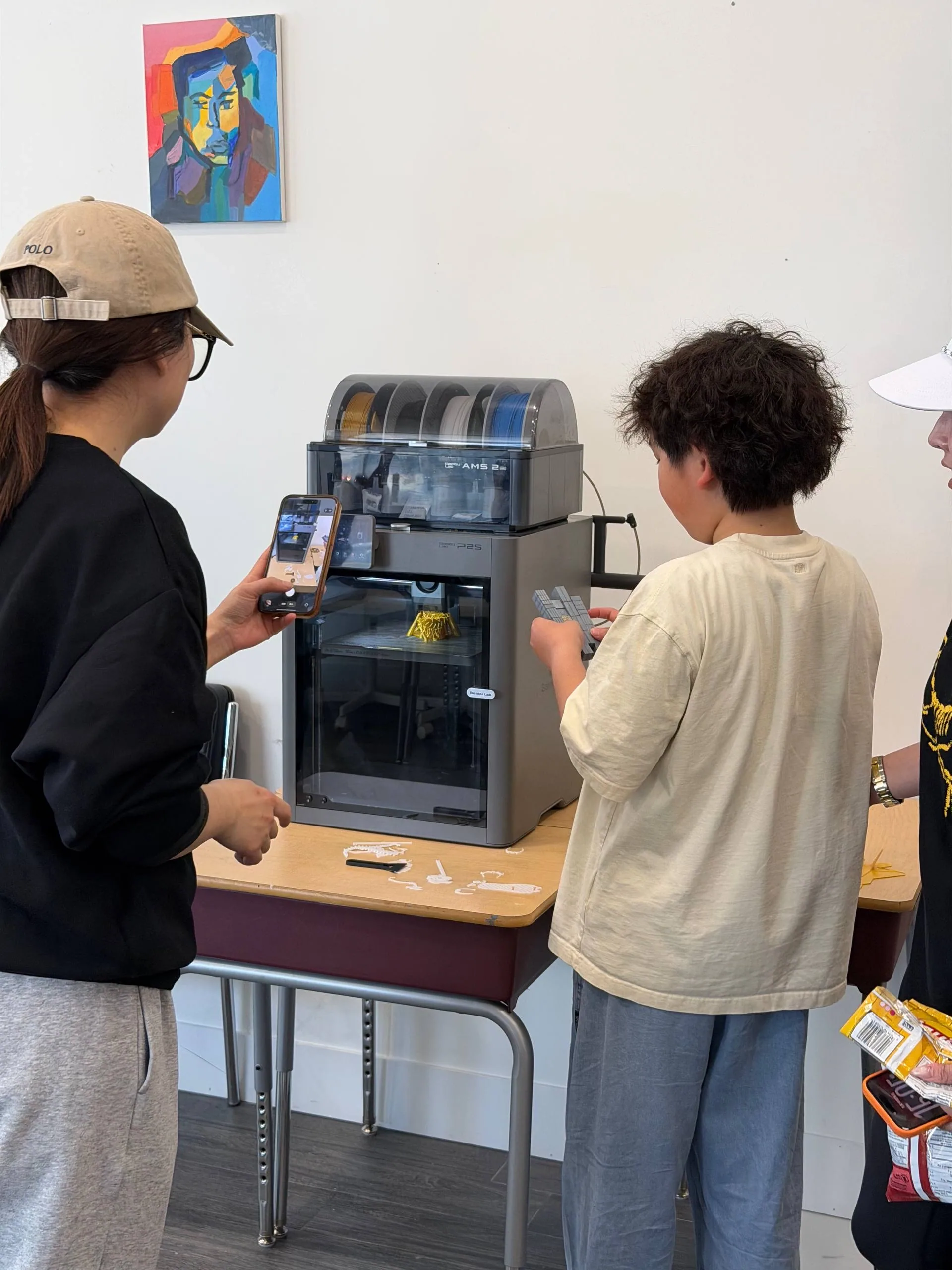
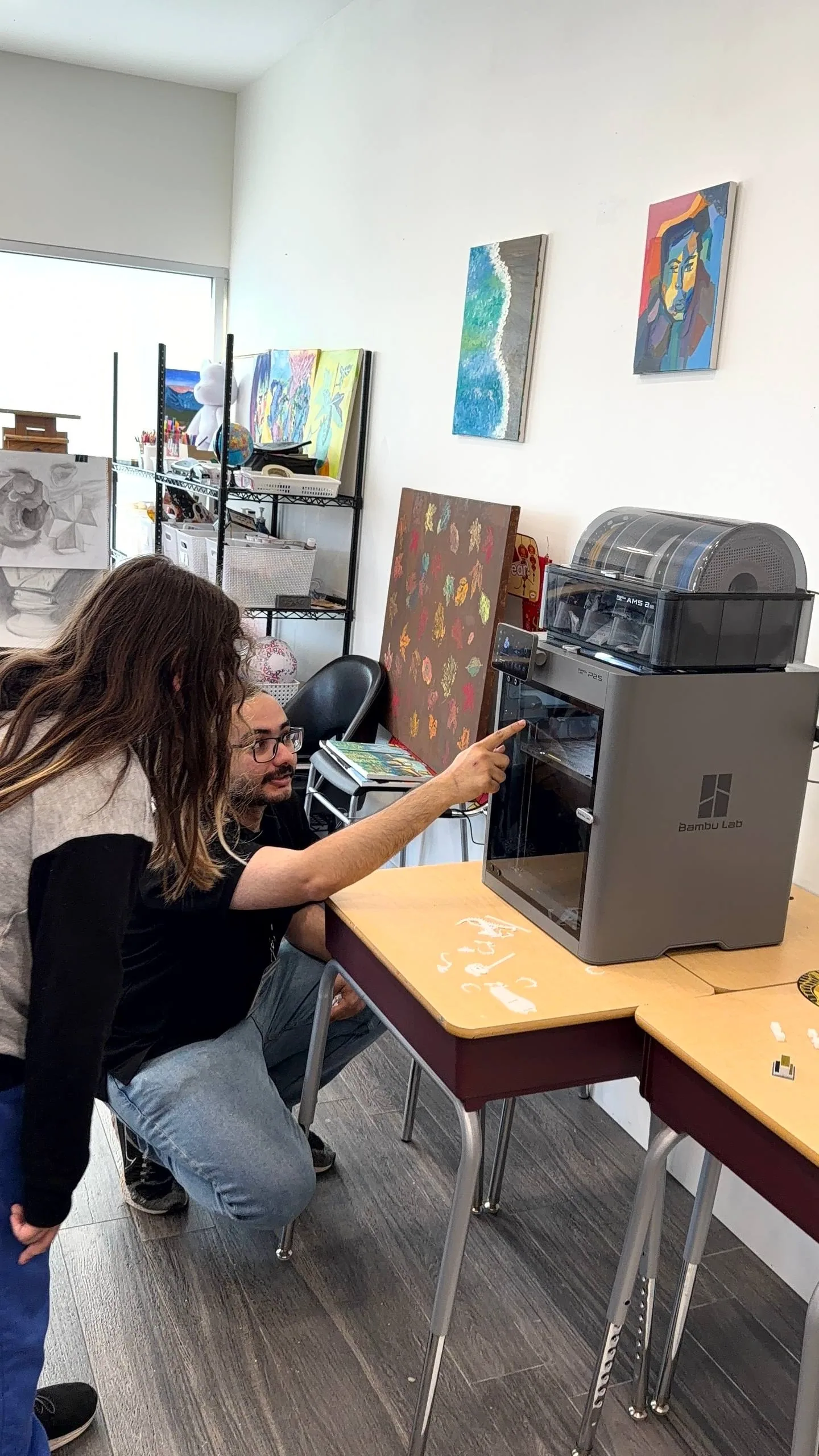
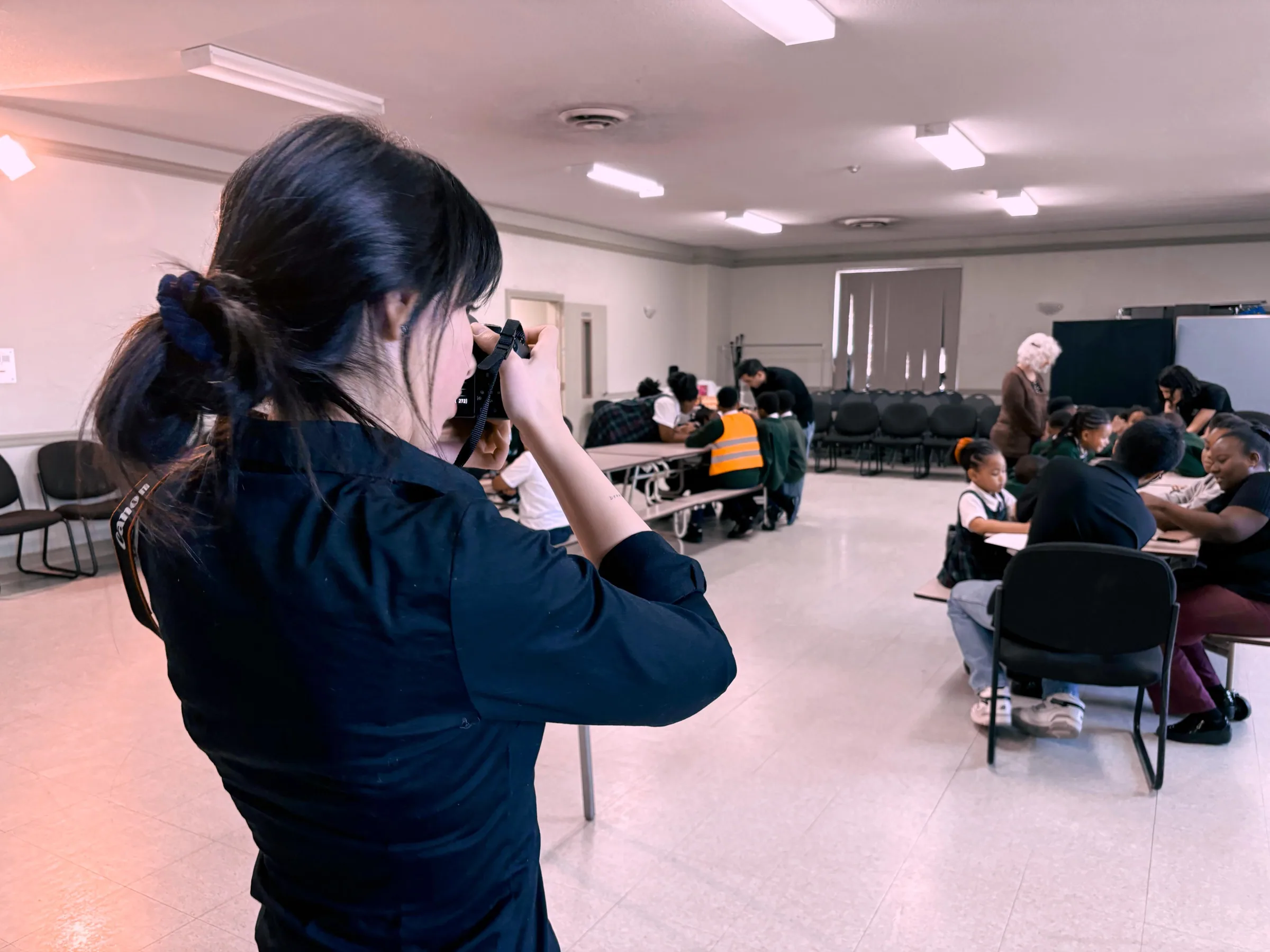
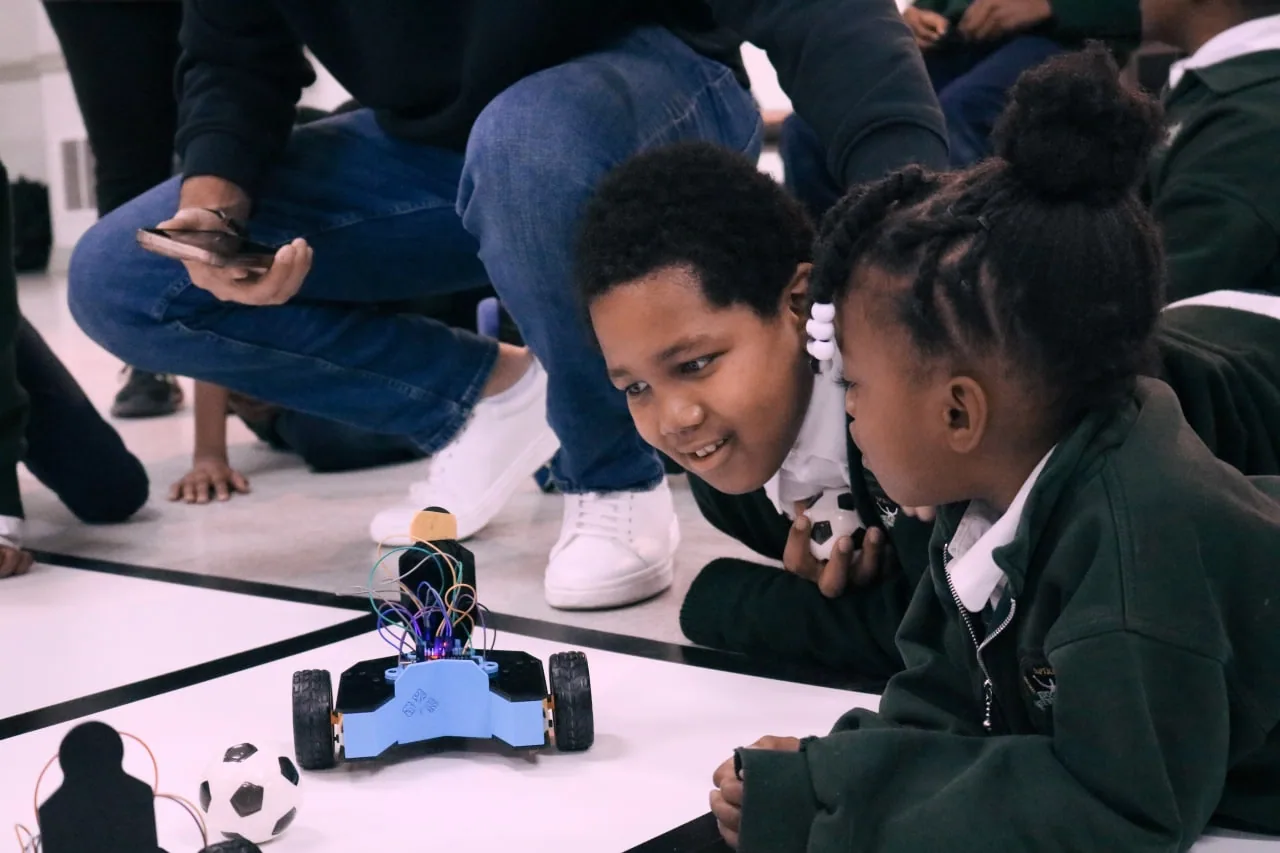
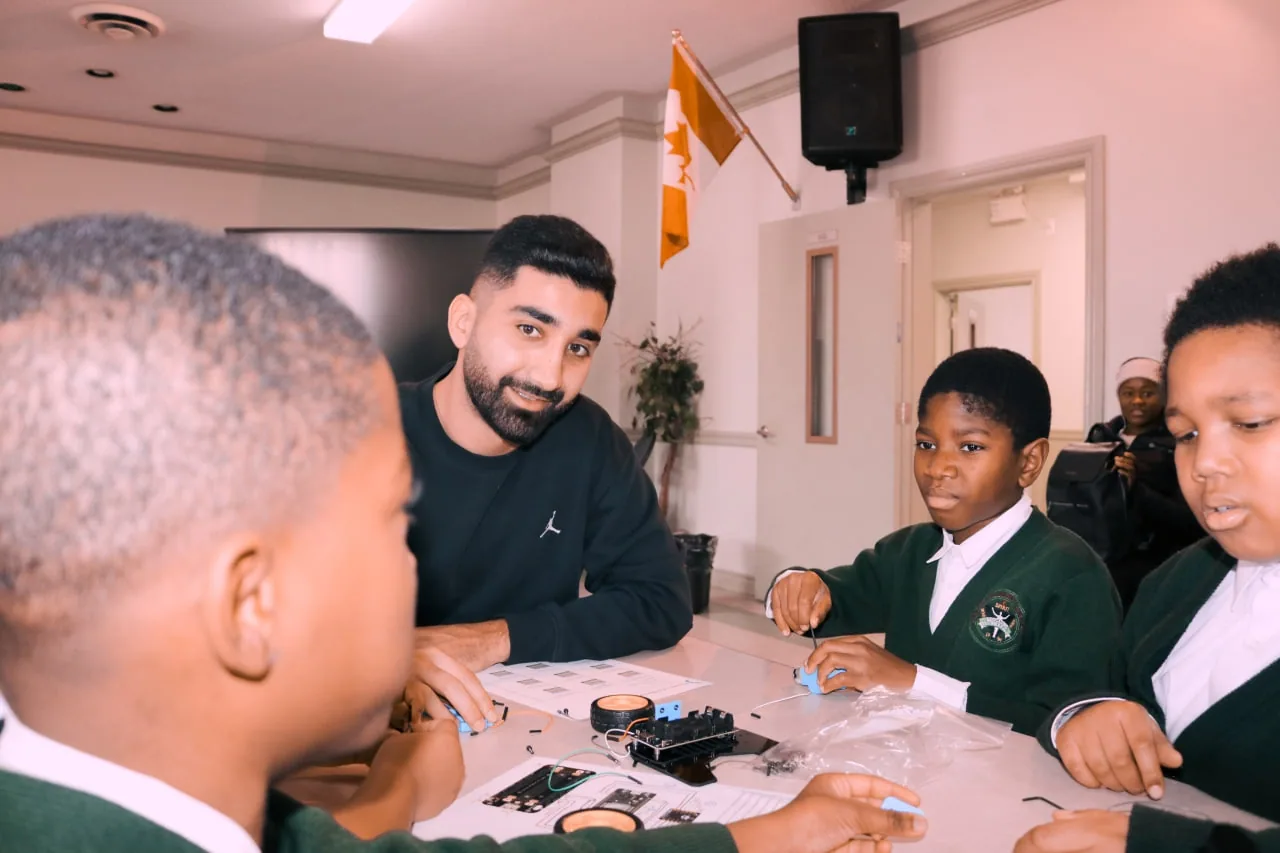
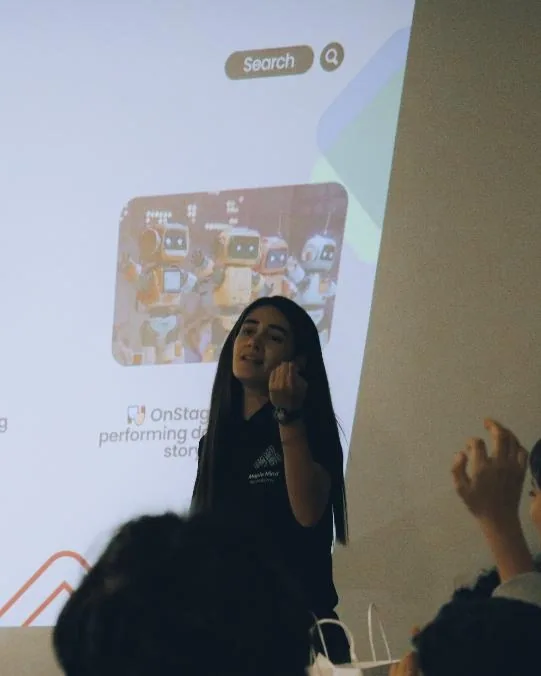
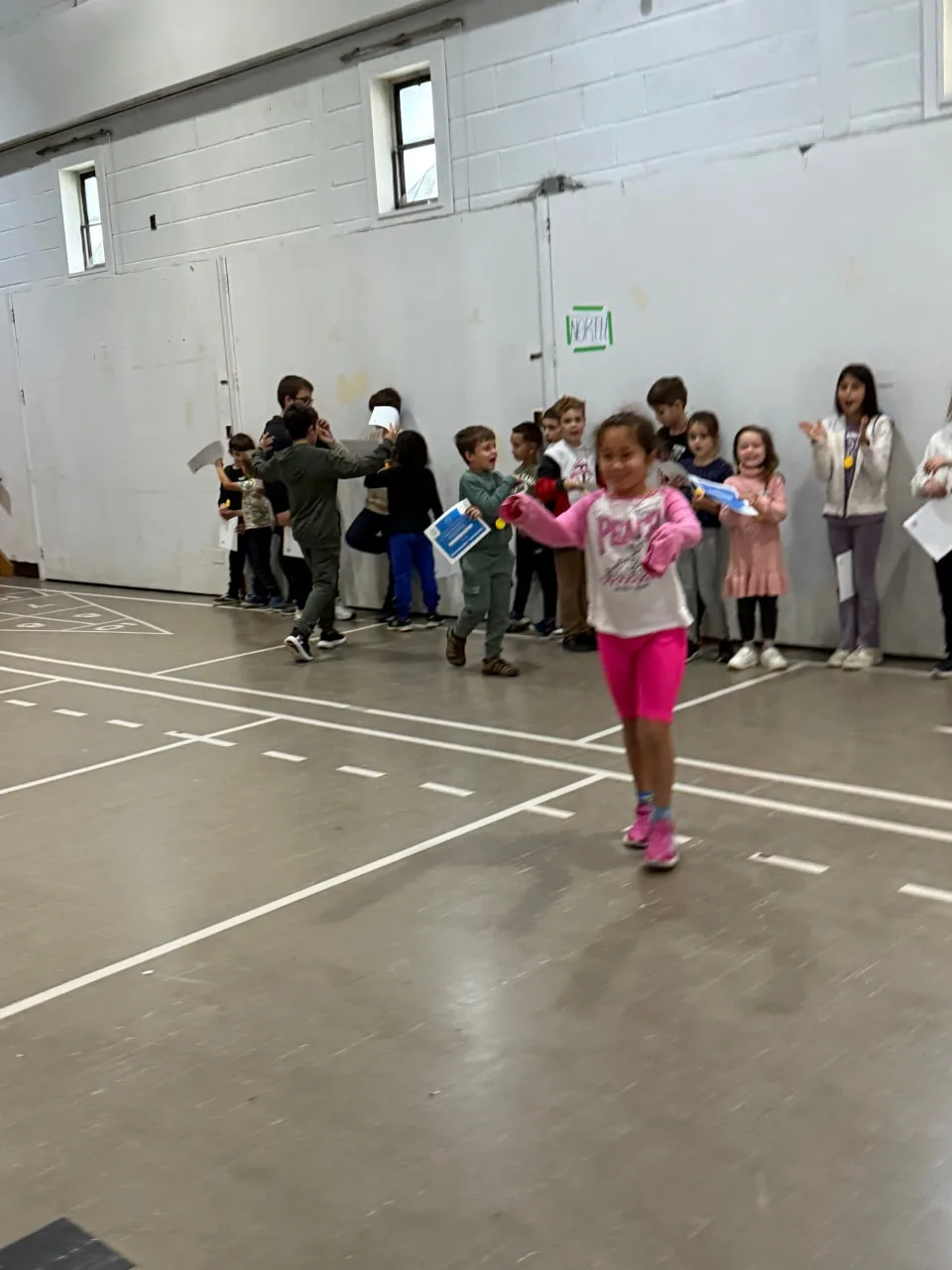
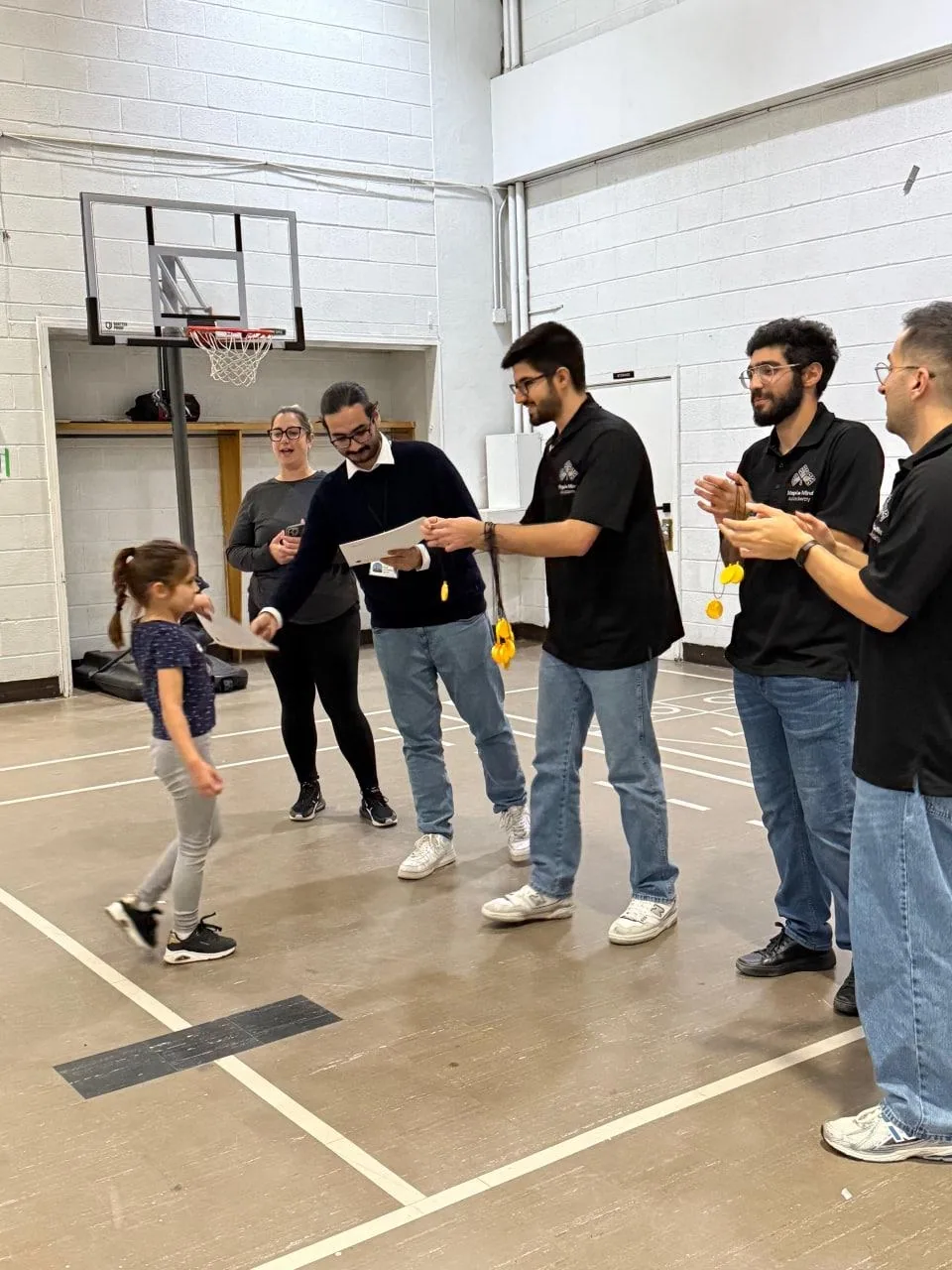
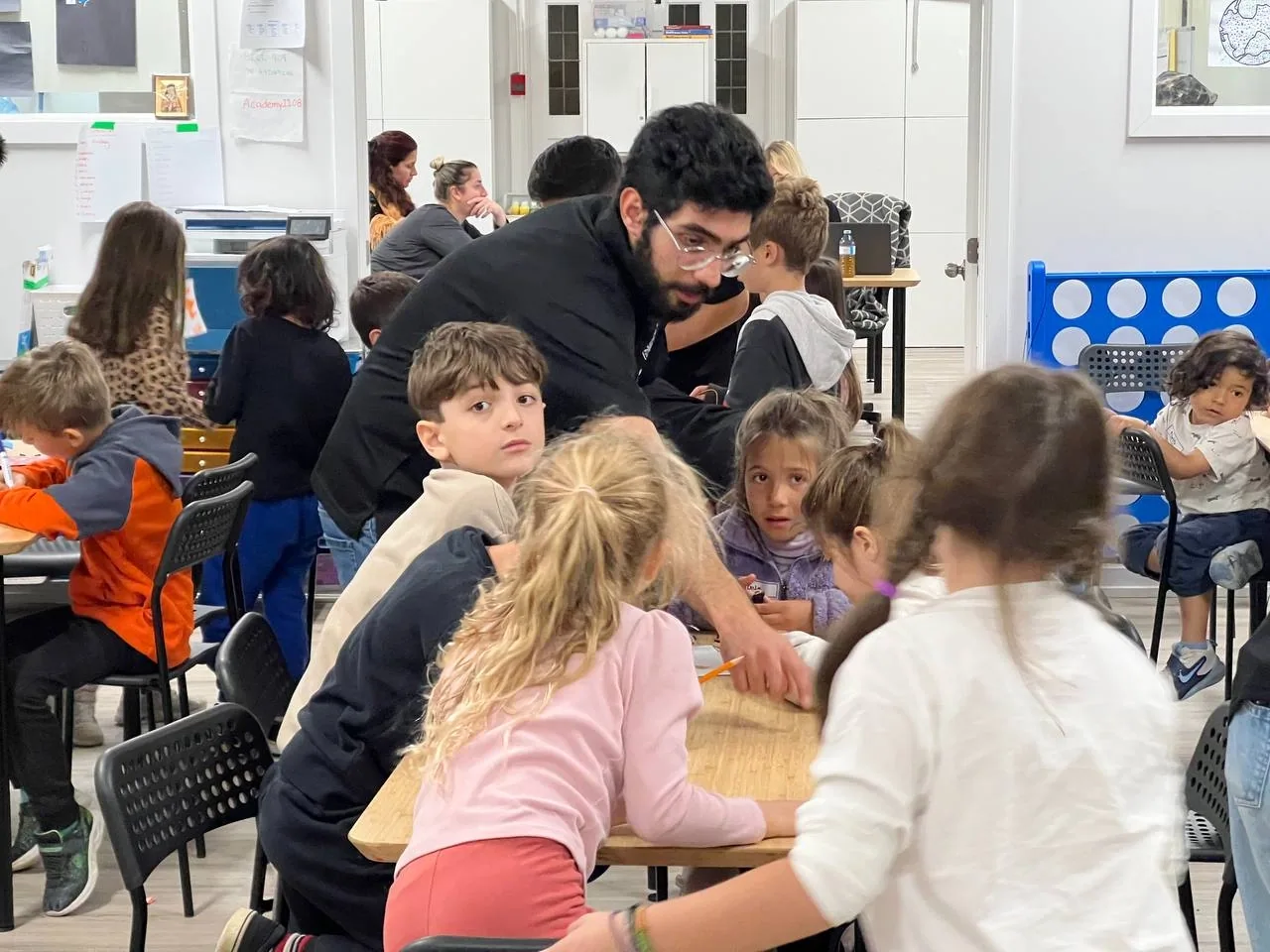
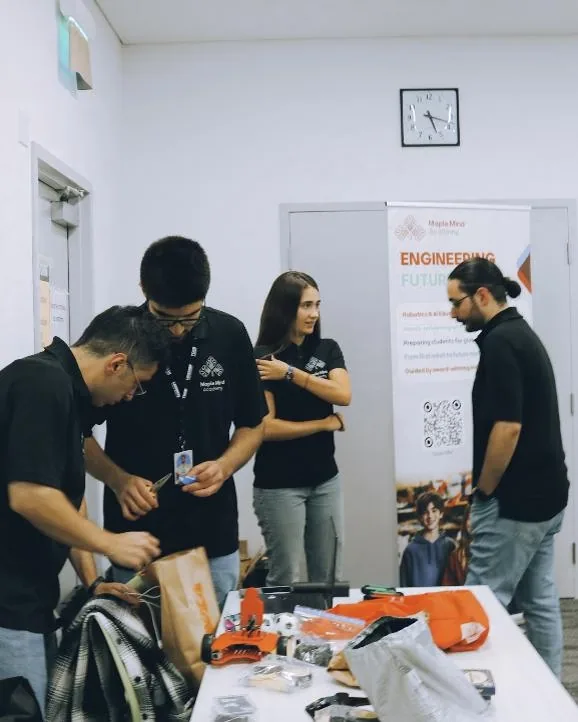
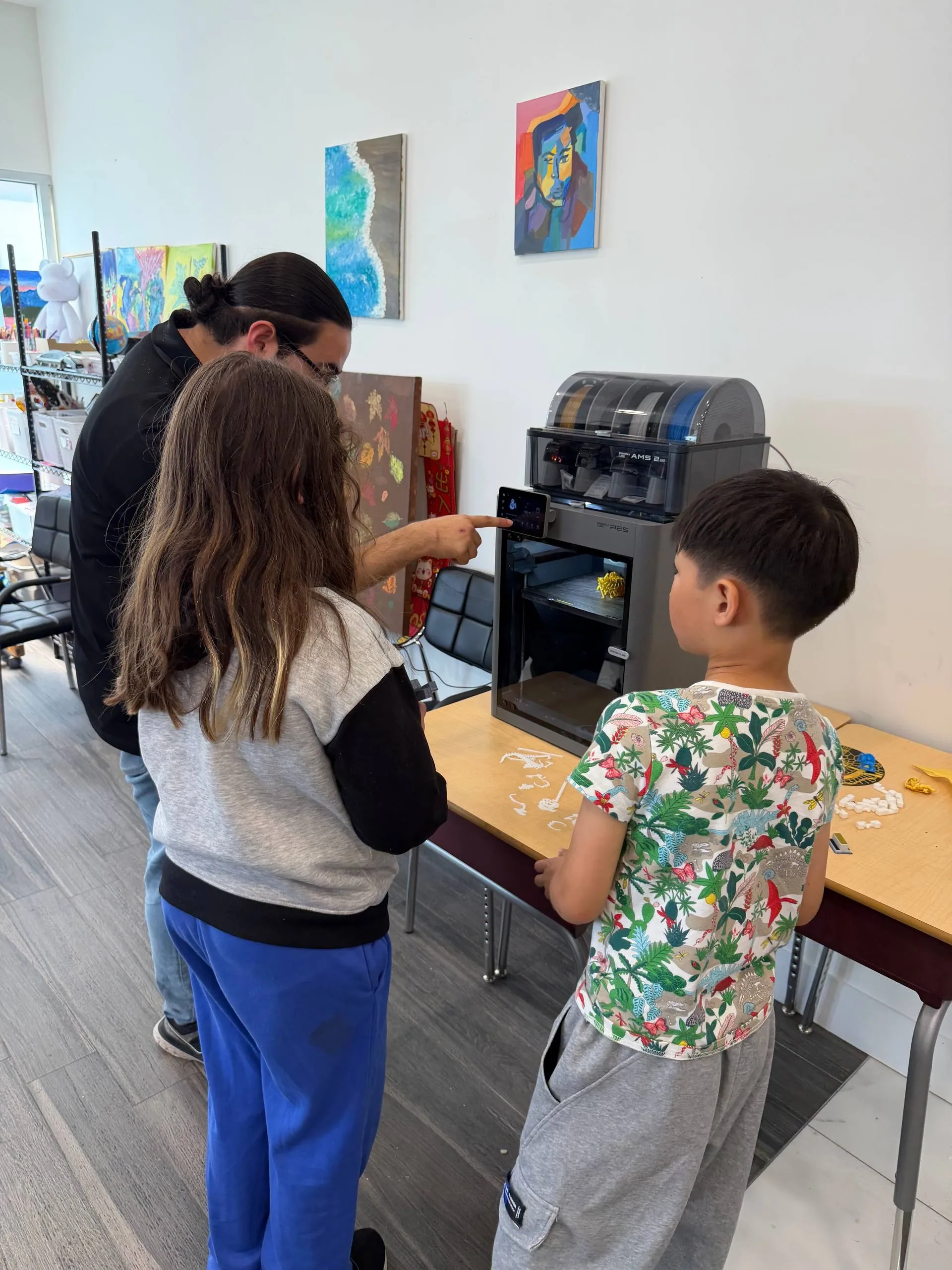
Open houses, family builds and school workshops run in our North York lab: benches, tools, printers and robots that do not work yet.
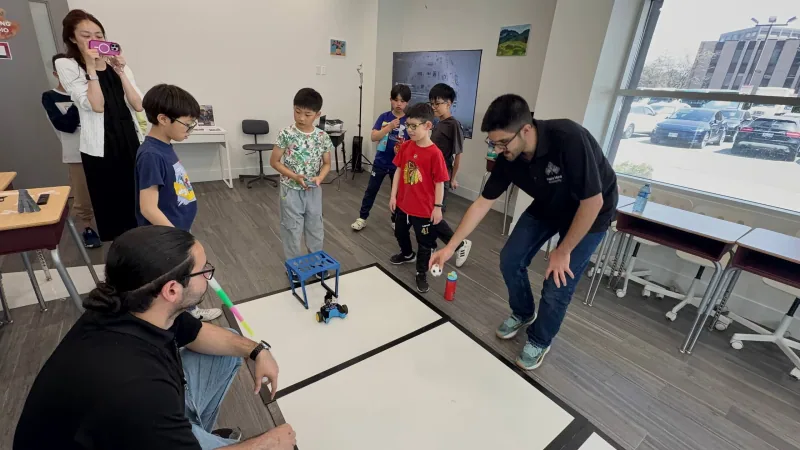
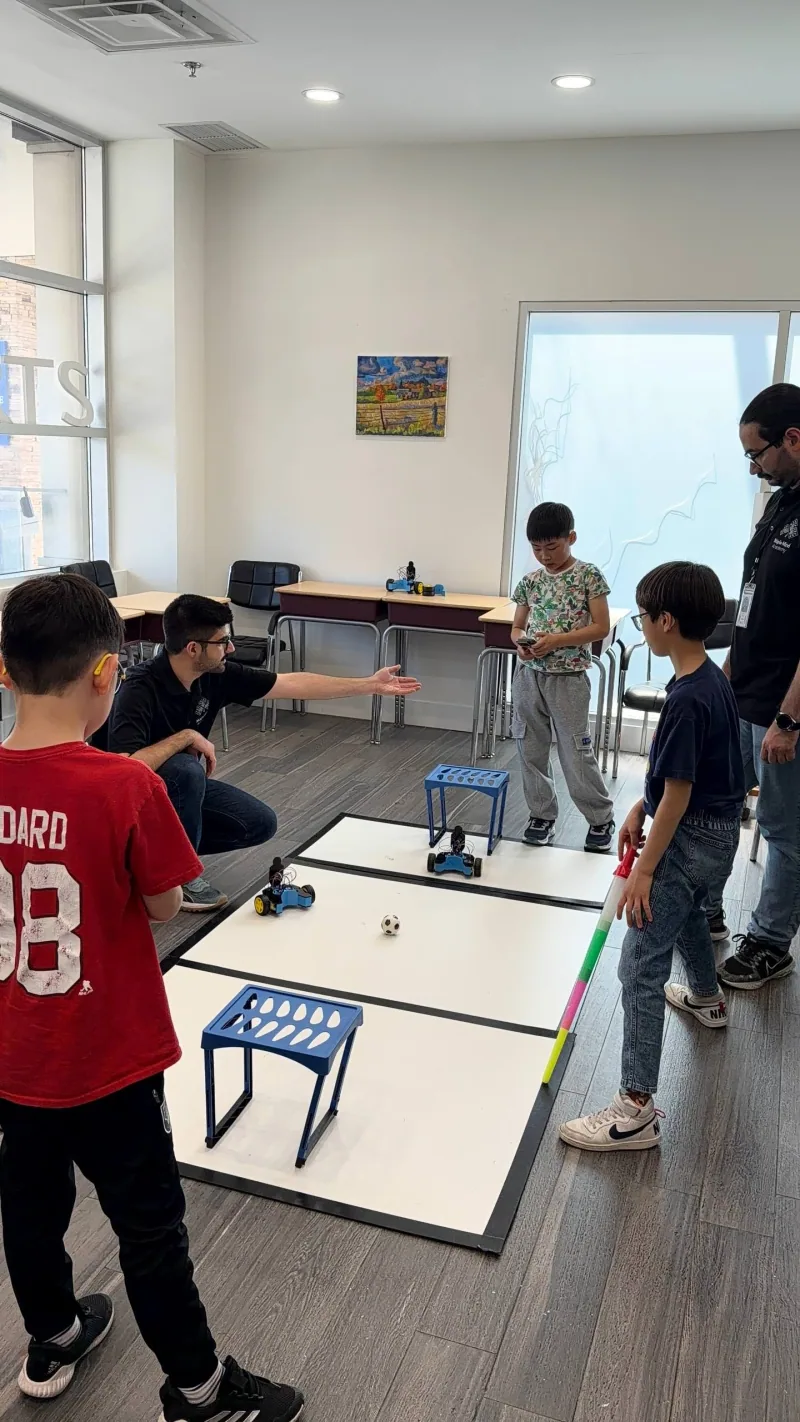
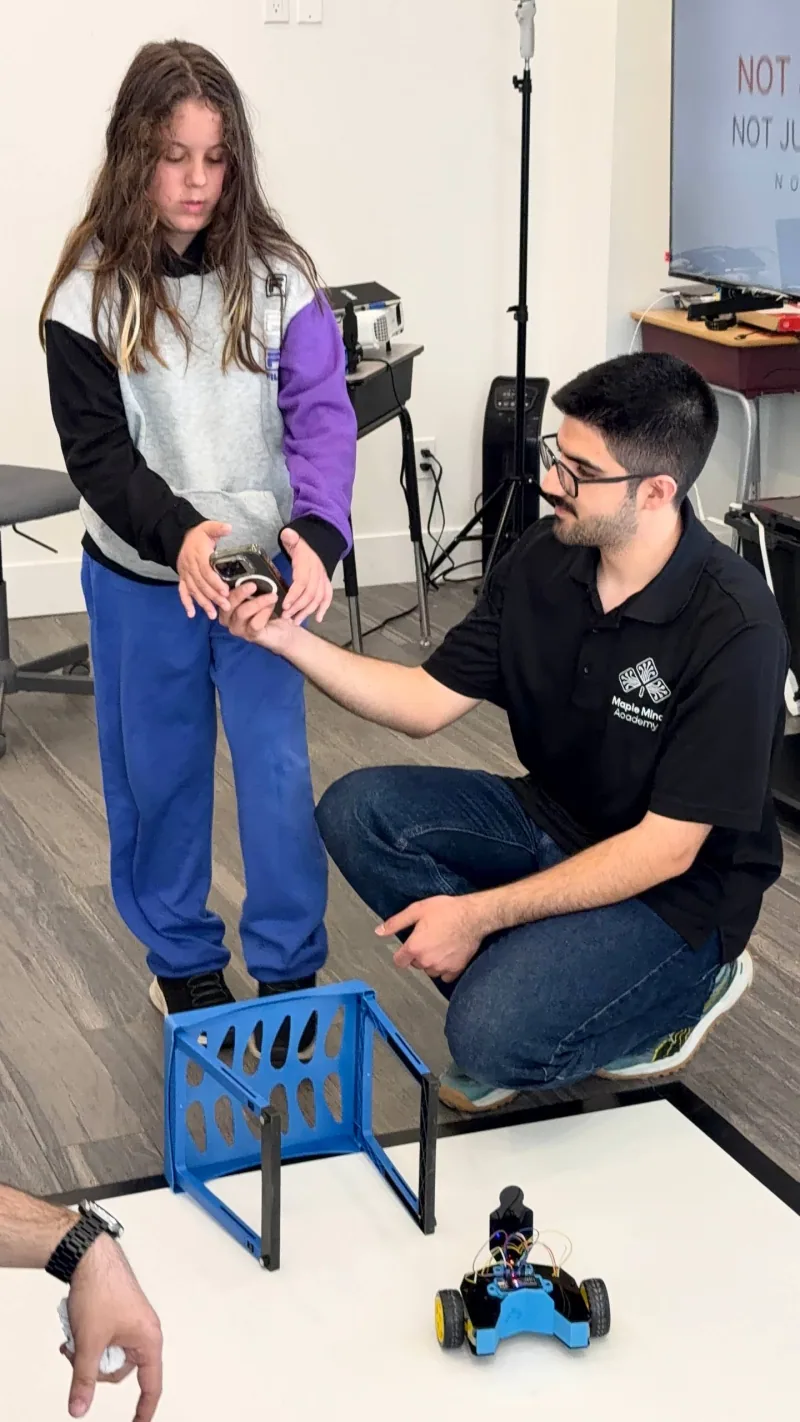
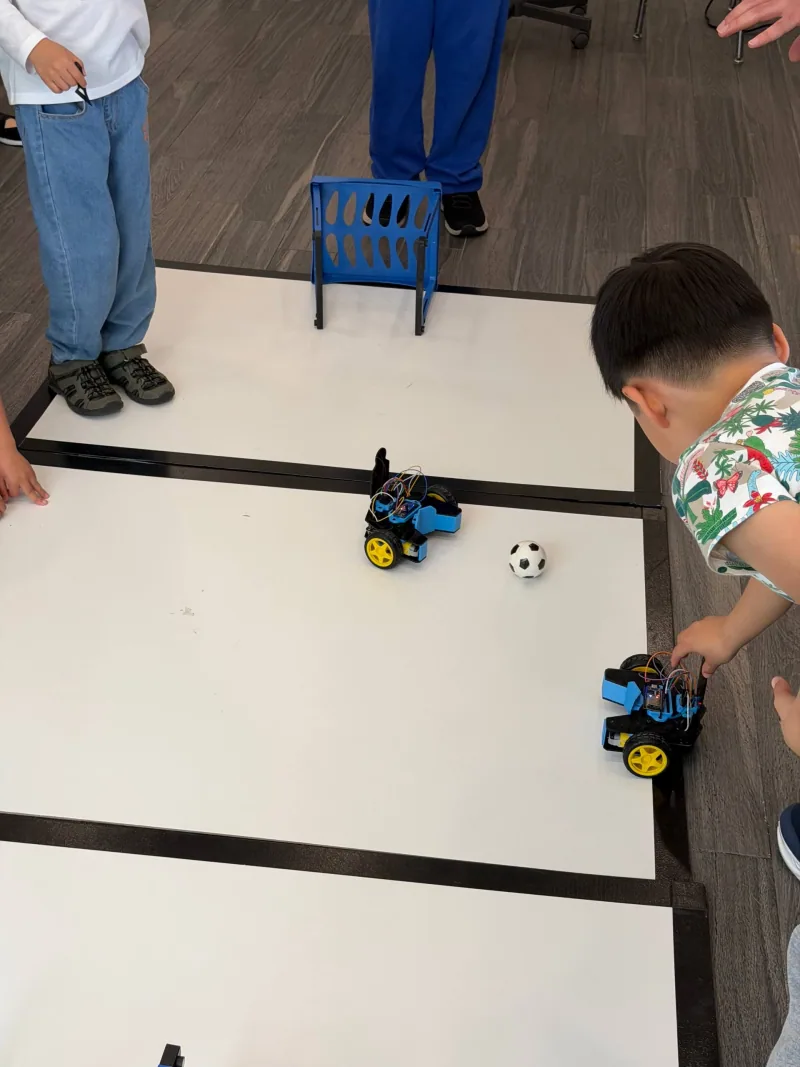
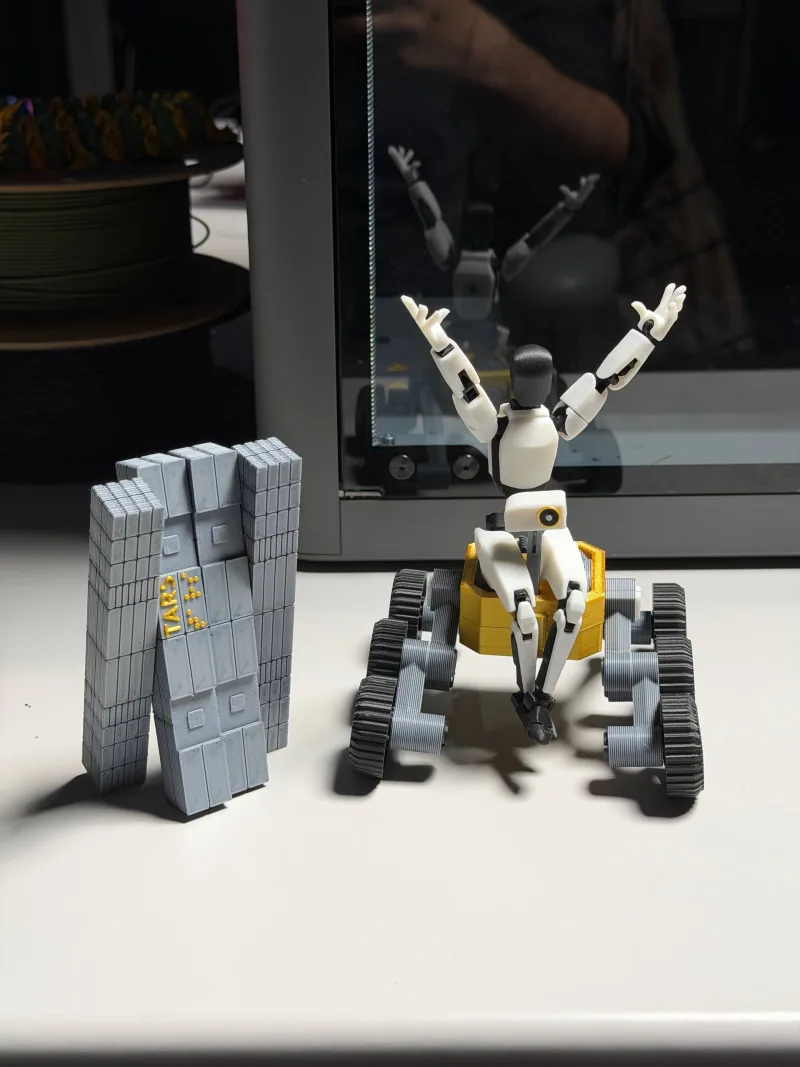
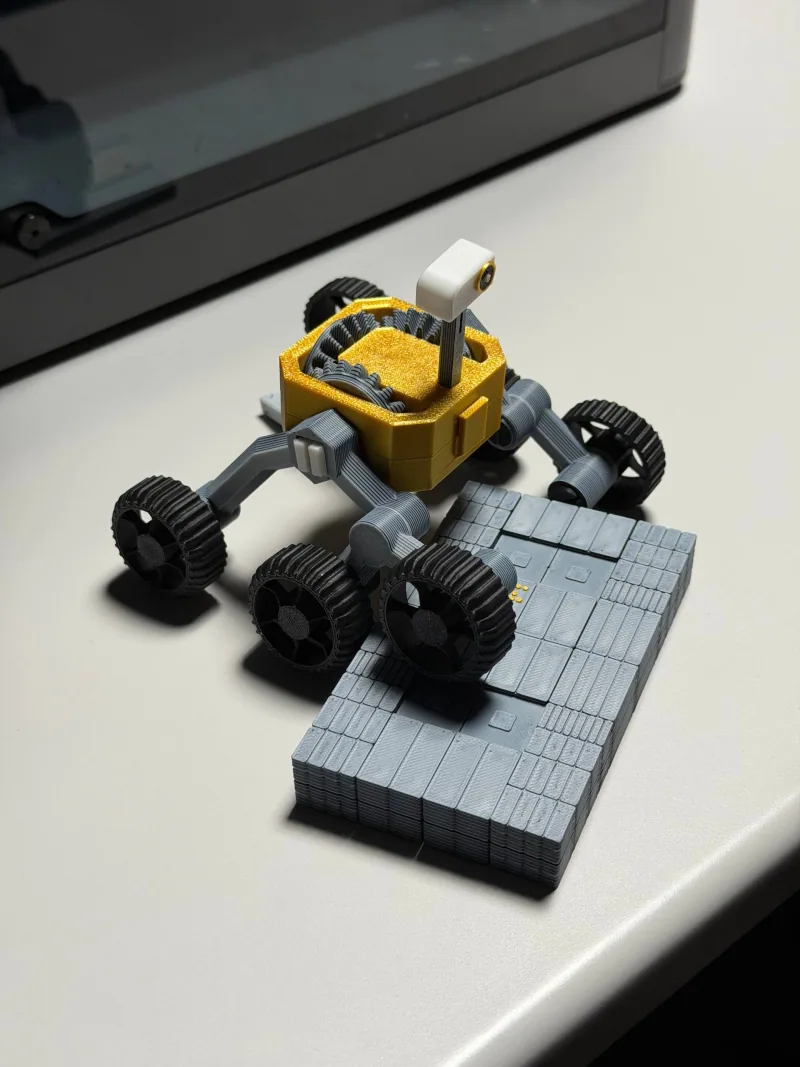
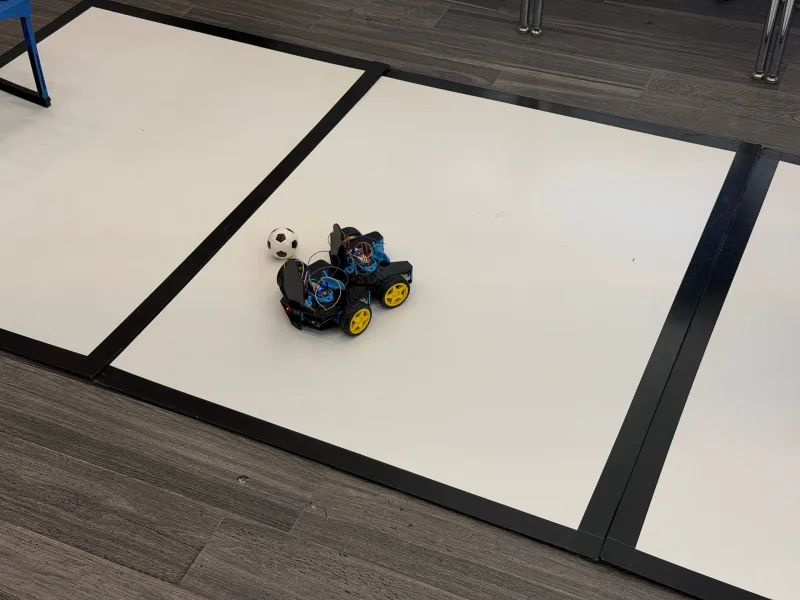
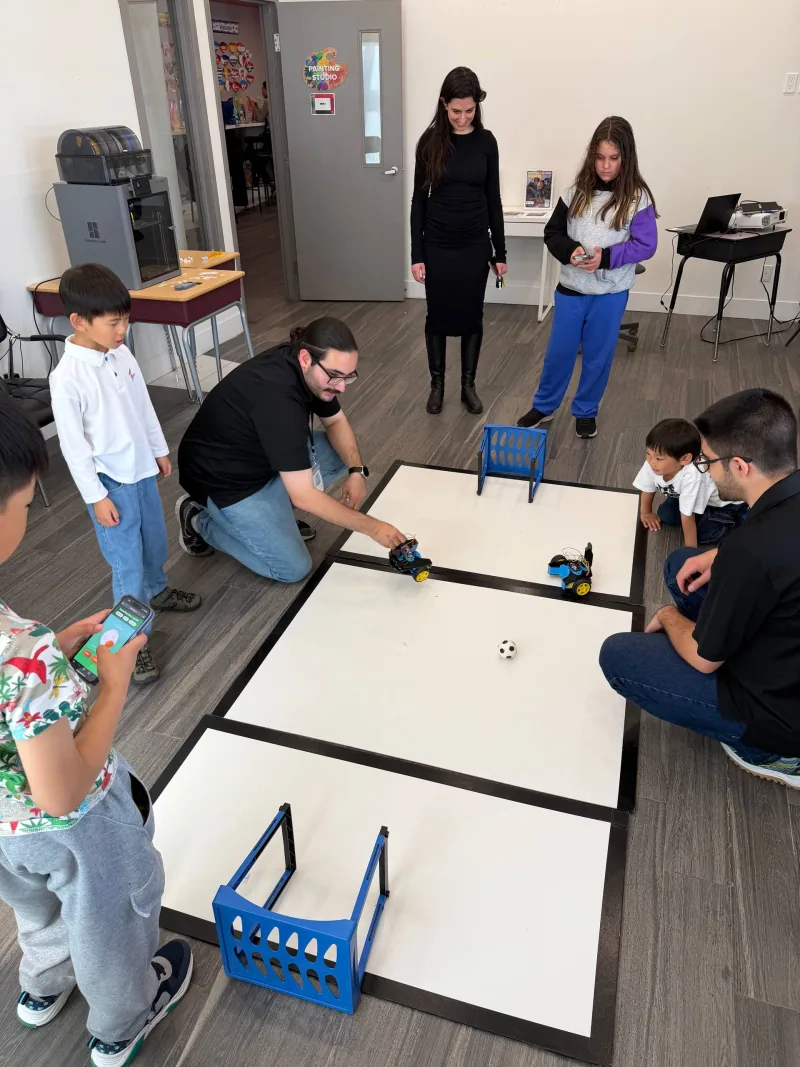
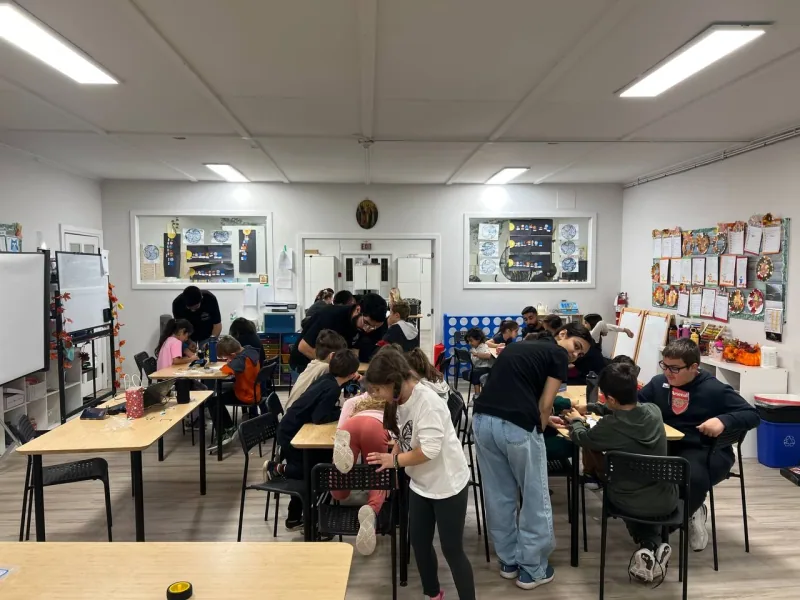
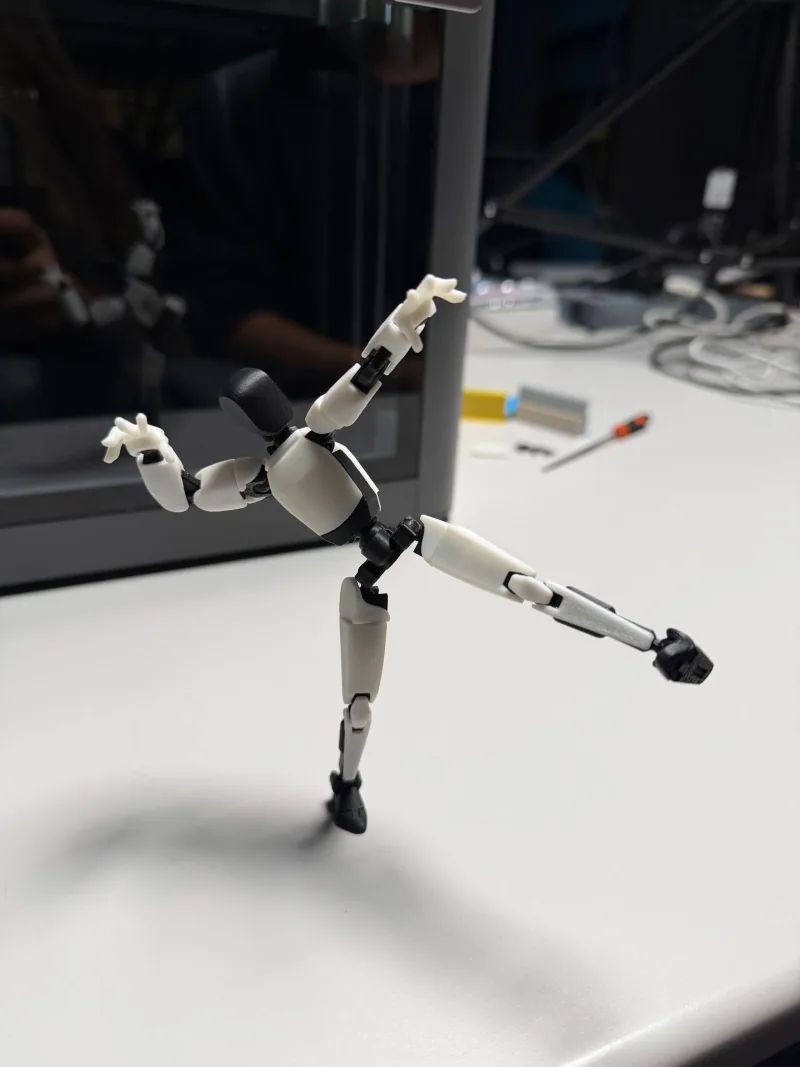
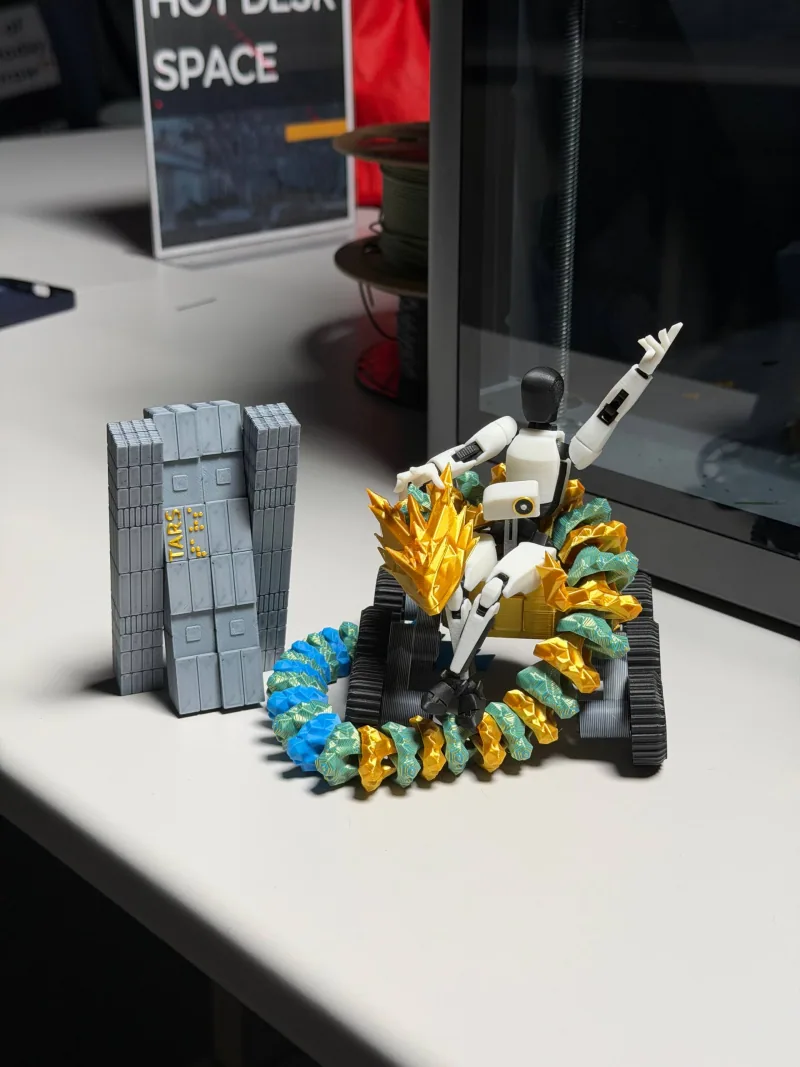
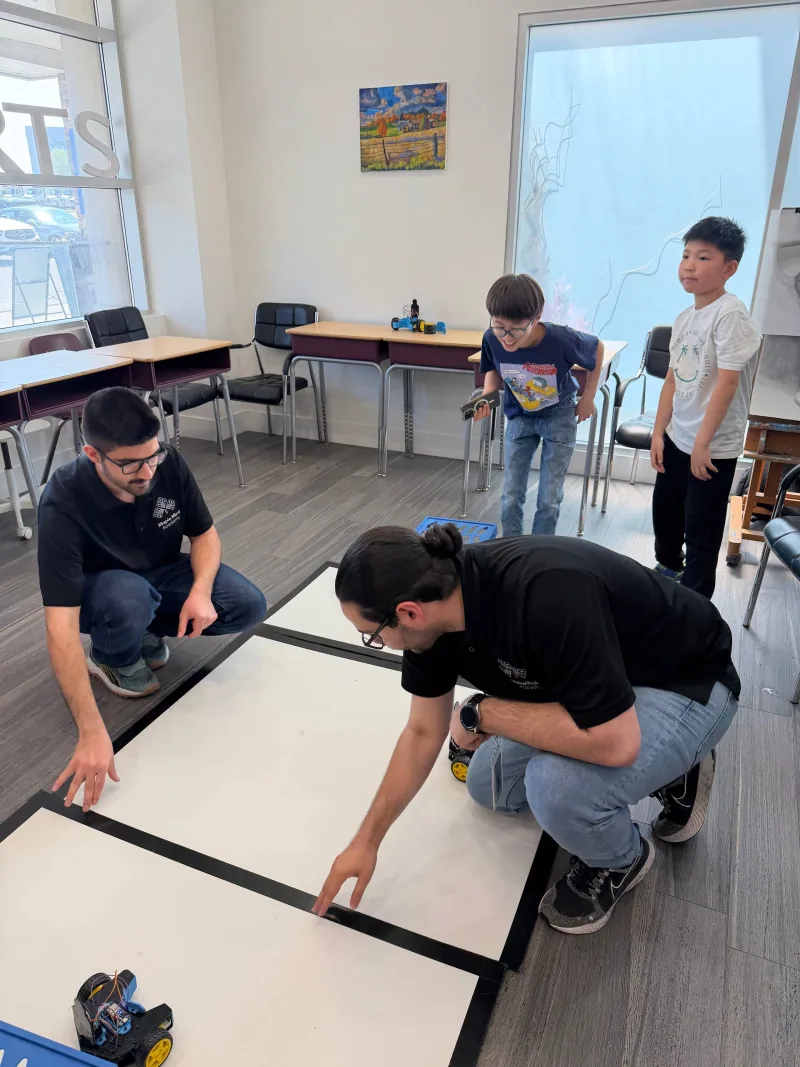
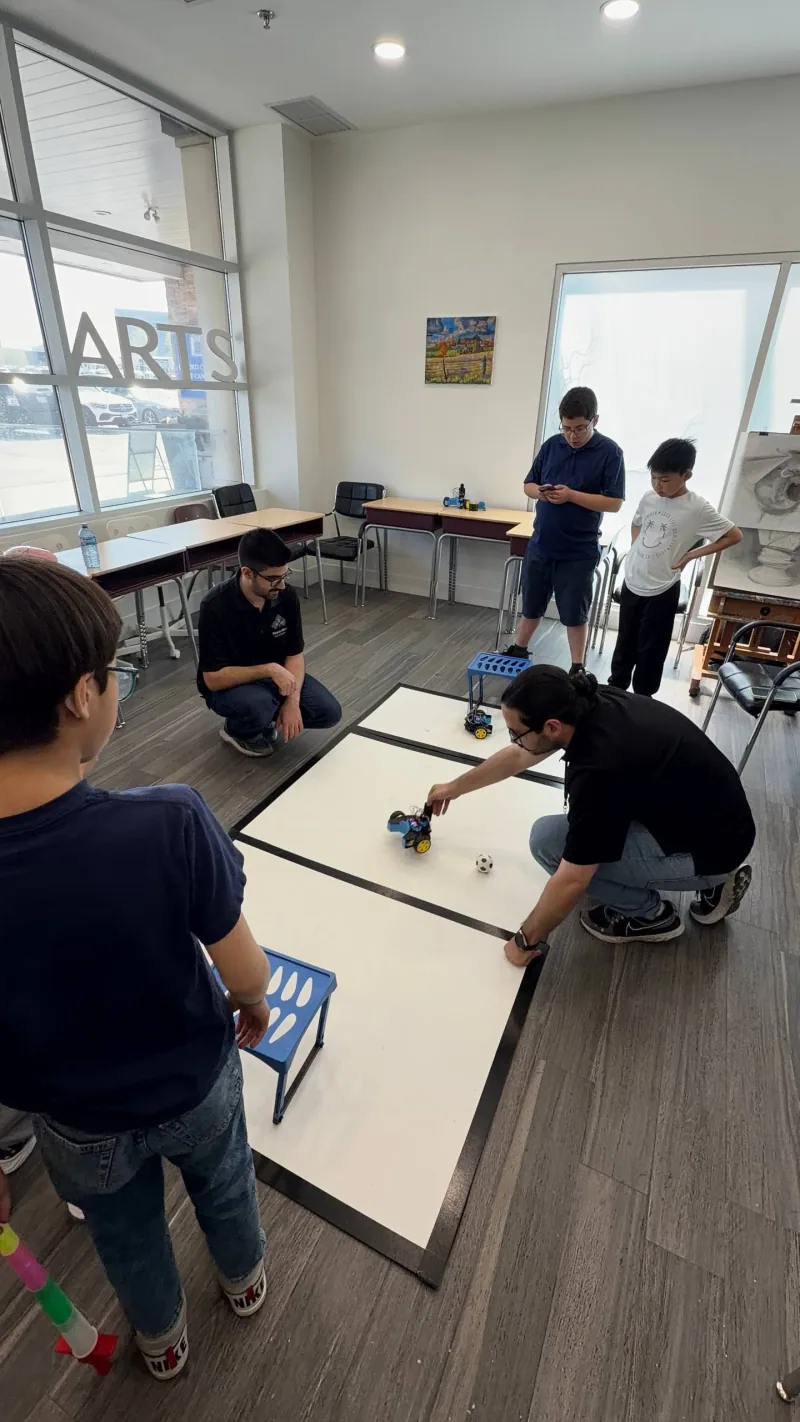
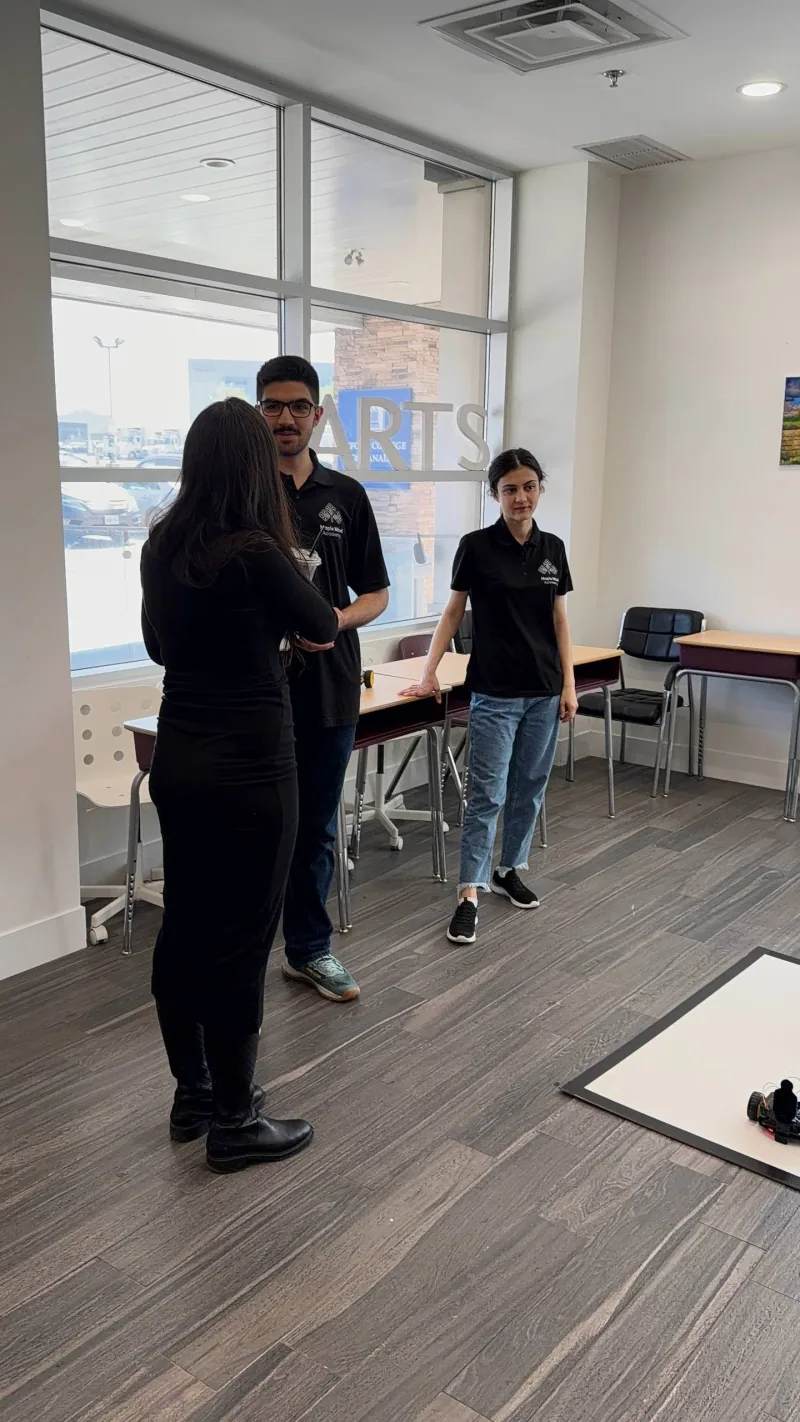
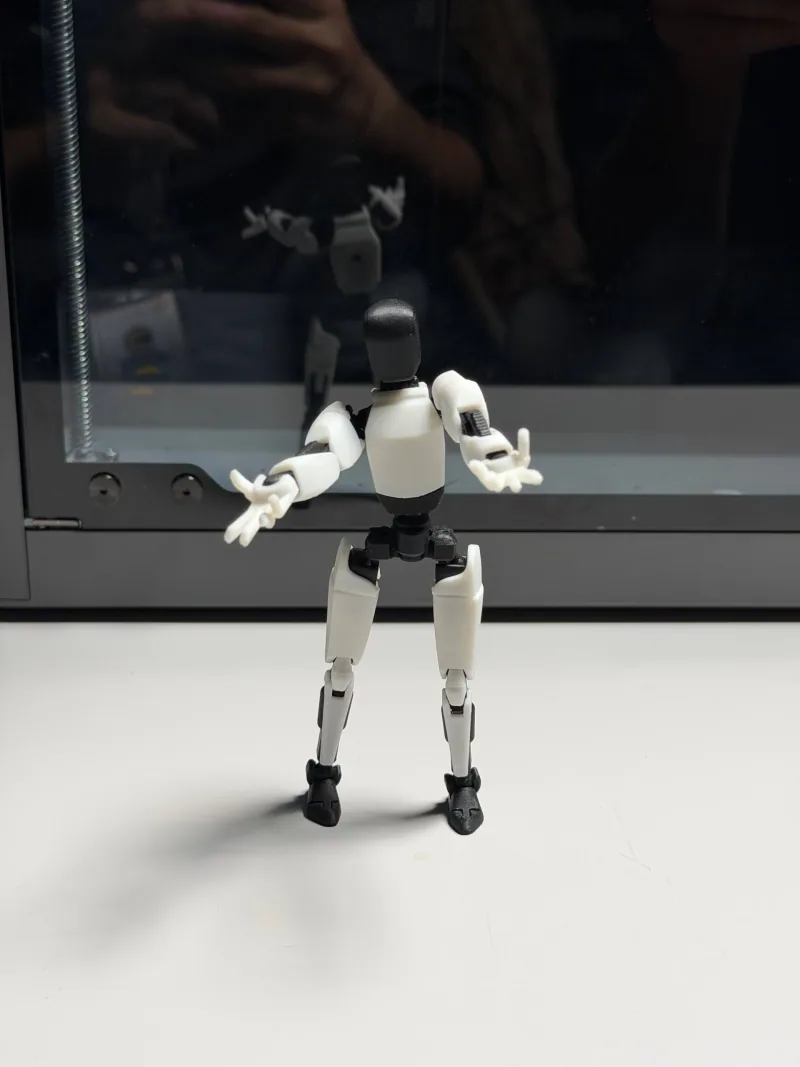
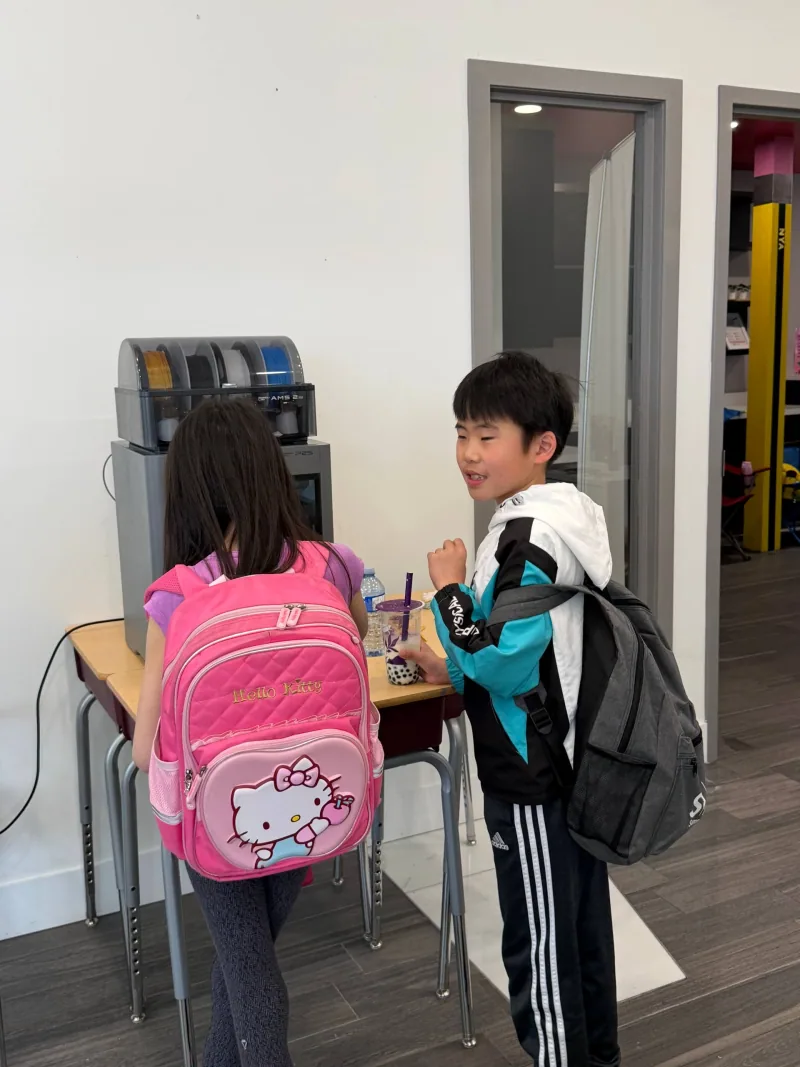
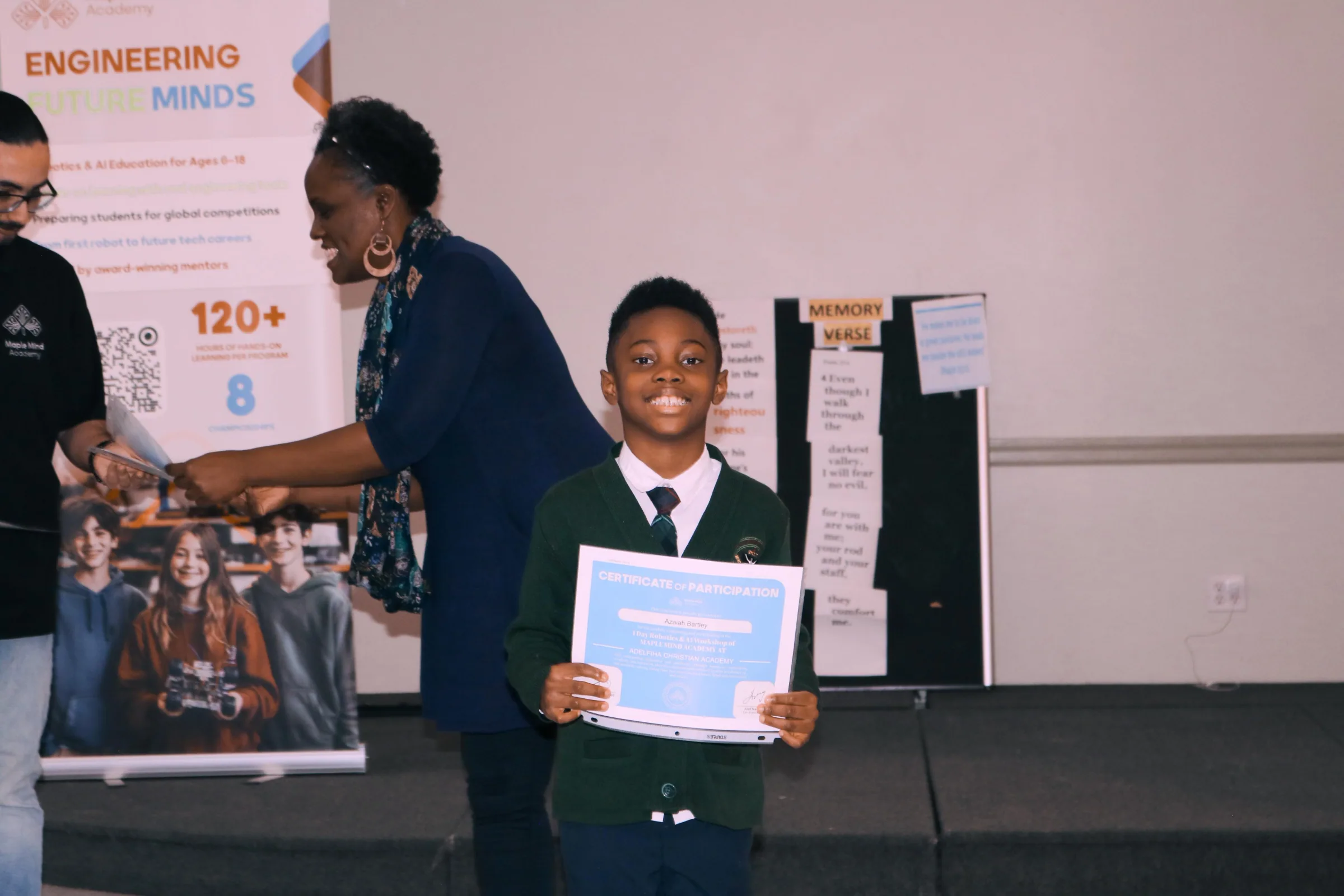
Open houses and workshops in our North York lab, the same room in these photos.
The same program. Different operator. Curriculum, software, hardware, labs, training and support stay ours underneath. What changes is how much of the room is yours.
Your
robotics
program
Your staff: Minimal: your team hosts, we run the program.
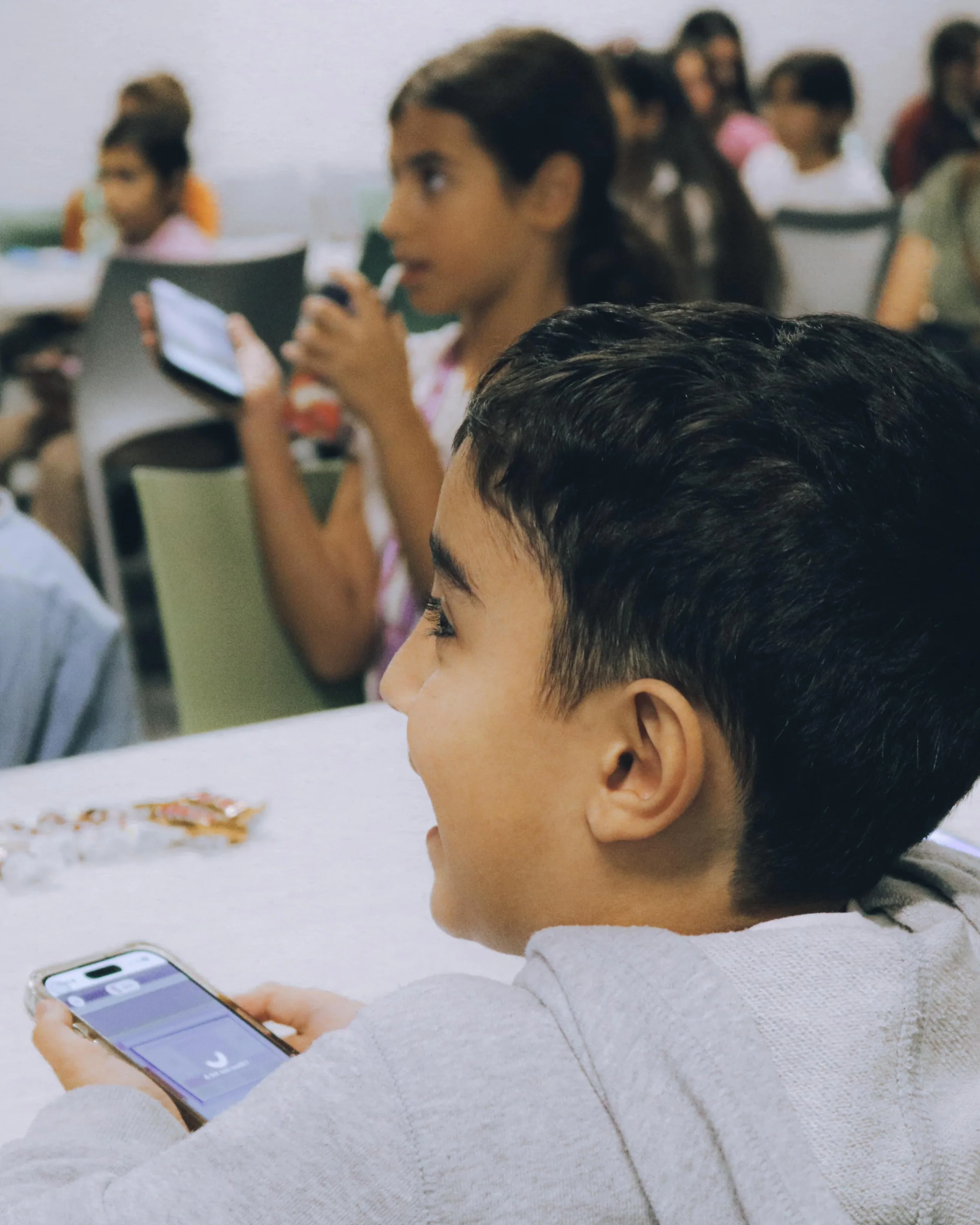
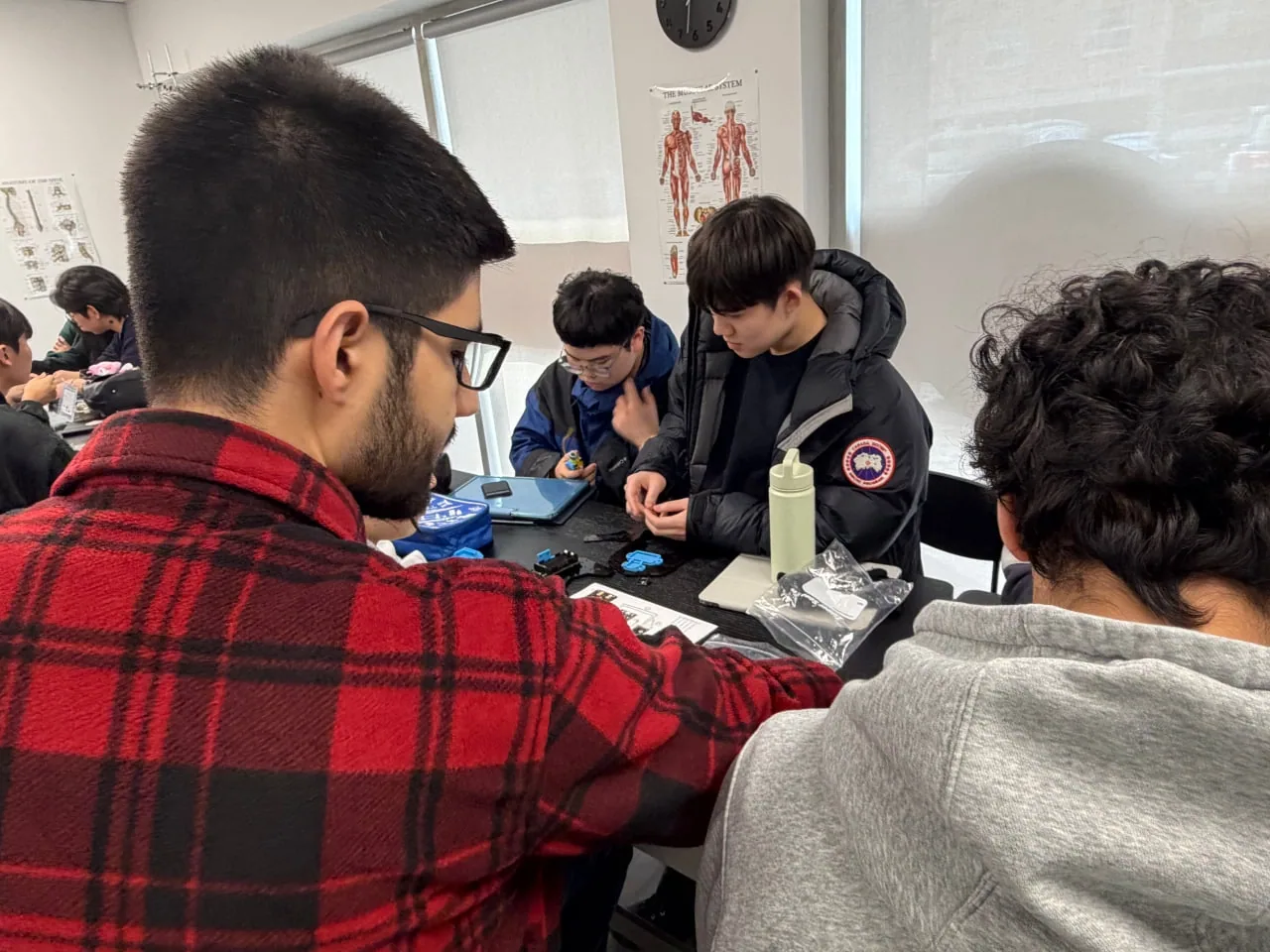
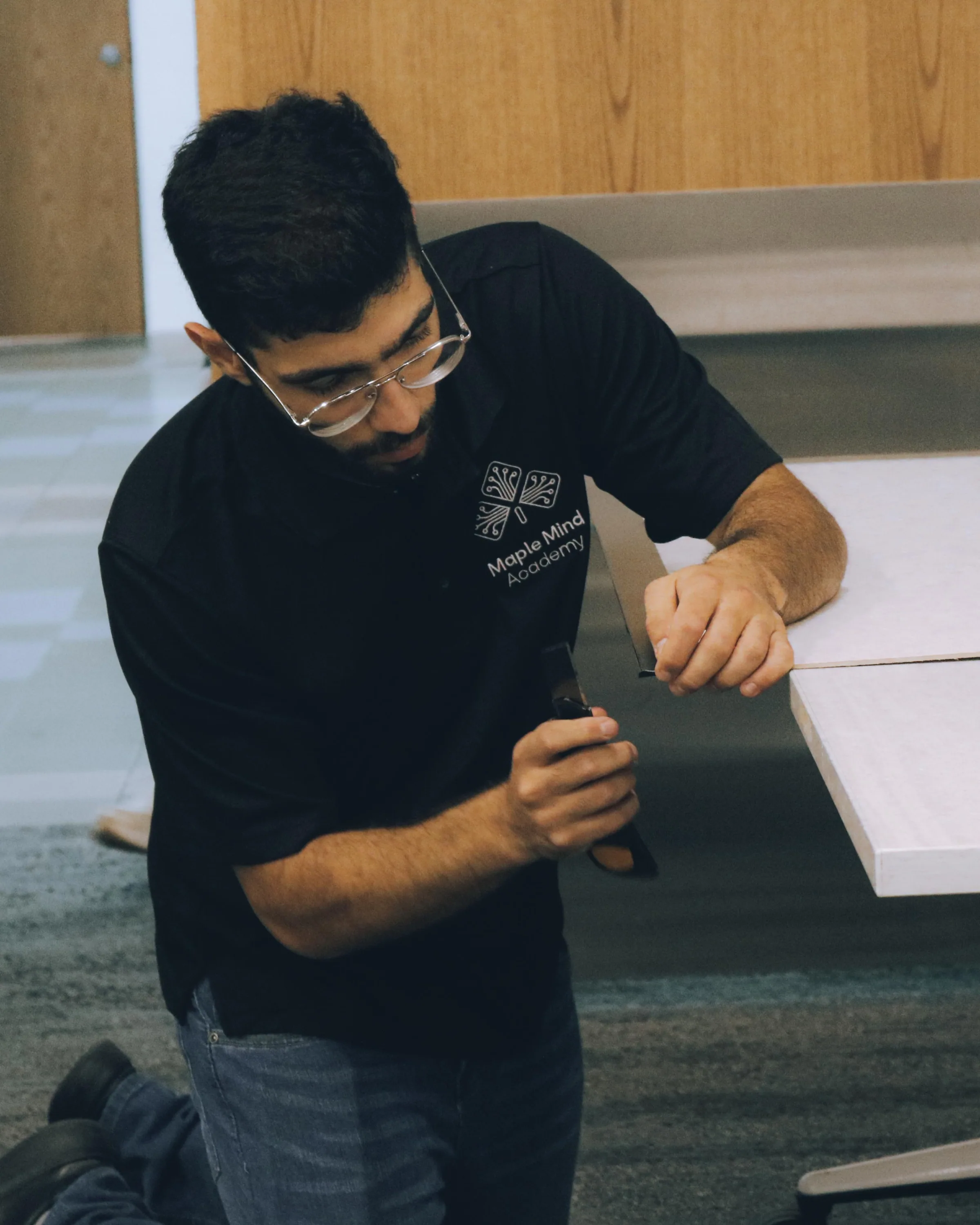
Competition days, open houses, late-session breakthroughs: a sample from the library.
Engineers, educators, builders, robotics competitors, mentors and judges: people who have been on both sides of the competition table.
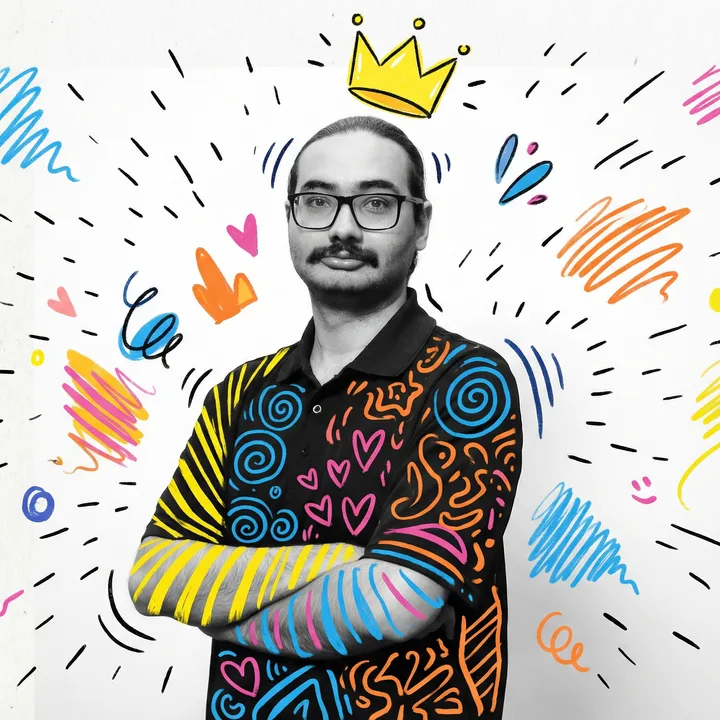
Pooya Rad
Co-Founder & CEO
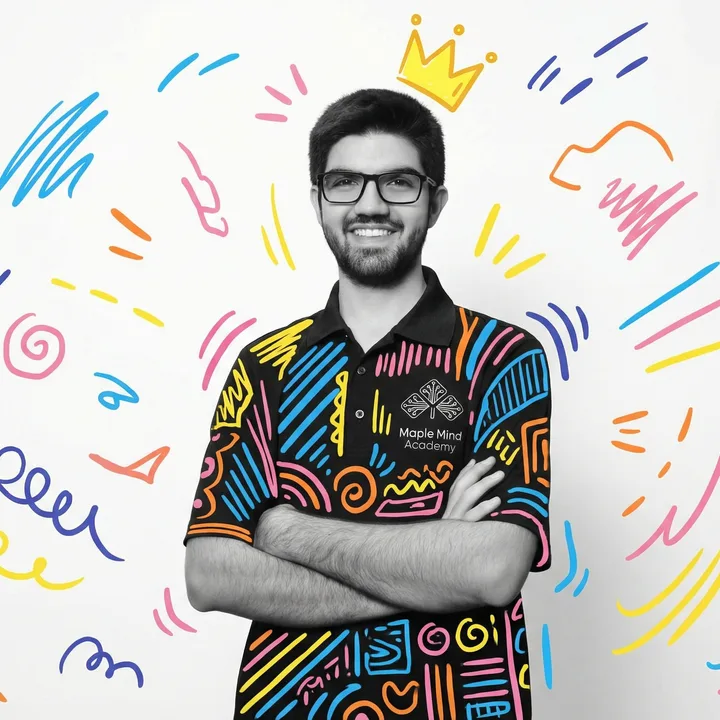
Aref Nasiri
Co-Founder & CTO
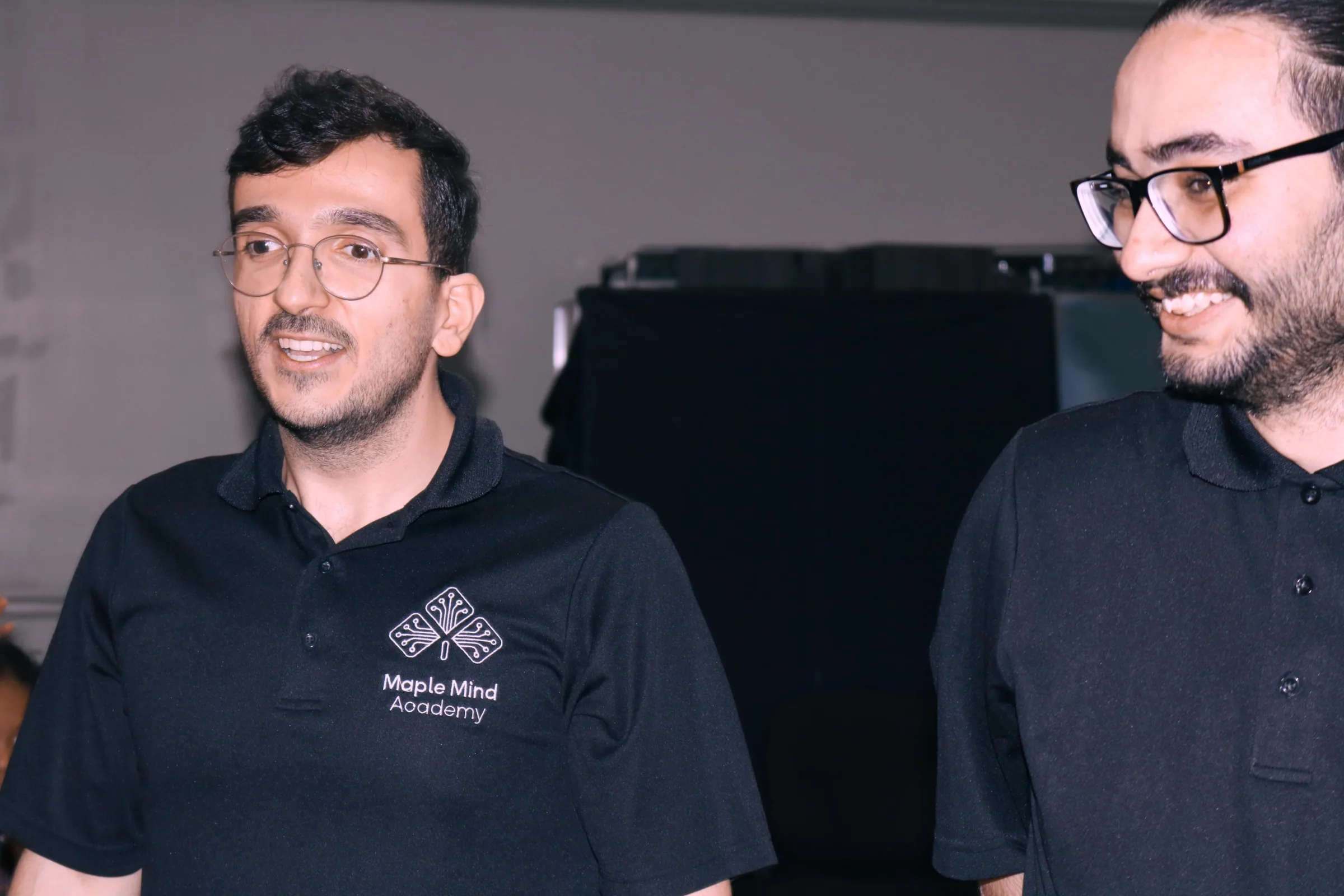
Robotics systems, curriculum architecture and the technology layer that connects learning to real hardware.
Competition robotics, program delivery and mentoring builders from first robot to competition floor.
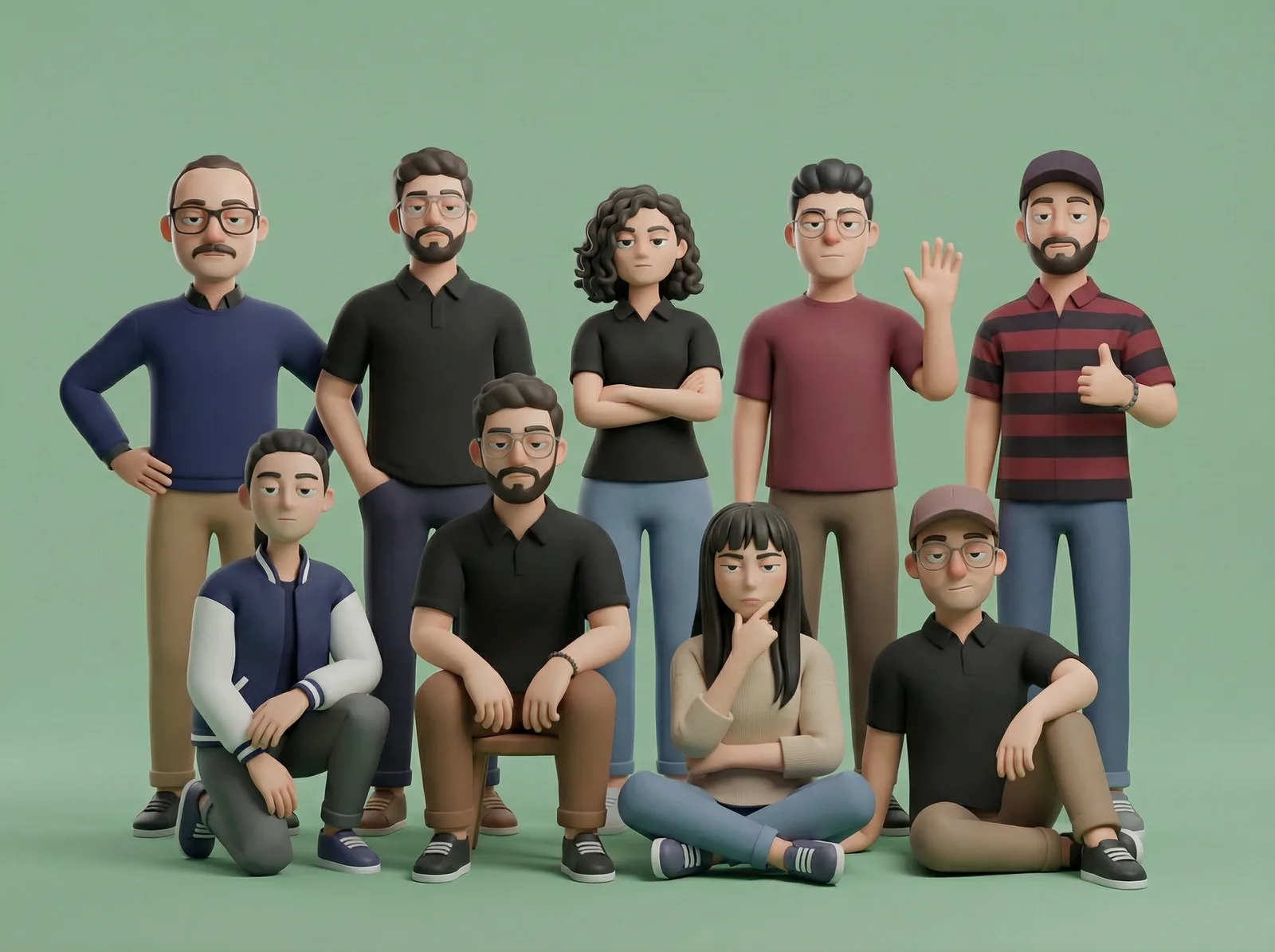
Engineers, educators, competitors and mentors: the people behind the curriculum, the hardware and the software.
The things people ask before they book.
Doors in
Programs
Levels
Pathway scenes


